
#1 · Optimum Nutrition Optimum Nutrition Gold Standard Whey Protein Powder Muscle Building Supplements
★4.7 (15,300)
Check price Protein powder is bought on tub price and should be bought on protein price. Once you make that switch, most of the confusion in this category disappears.
Compare on cost per gram of protein, not per tub: servings multiplied by protein per serving gives the total, then divide by the price. Concentrate is the best value and suits most people; isolate is filtered further for less lactose and carbohydrate at a premium. A common daily target for people training is around 1.6g of protein per kg of bodyweight, and food comes first.


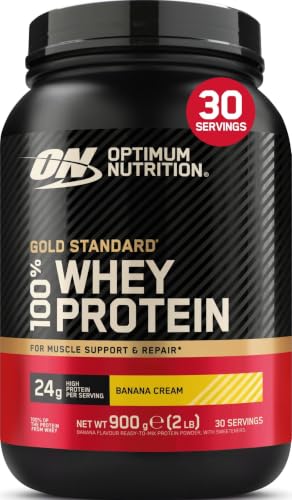


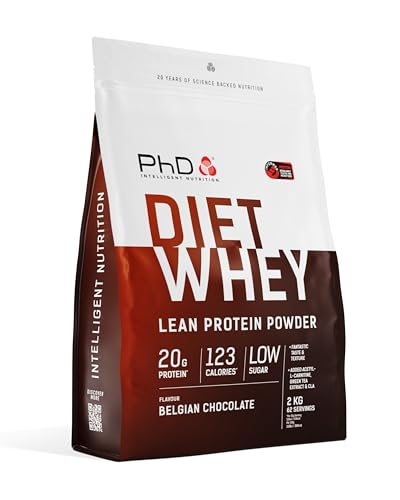


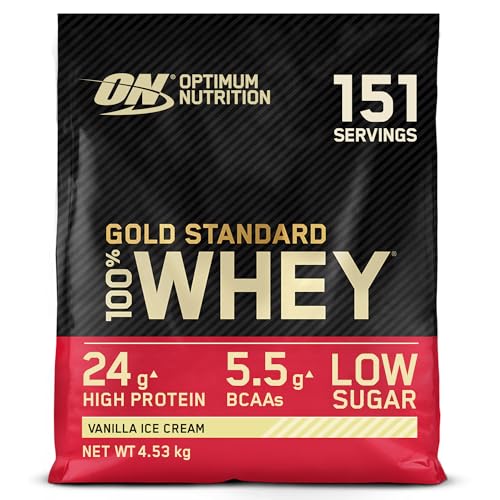


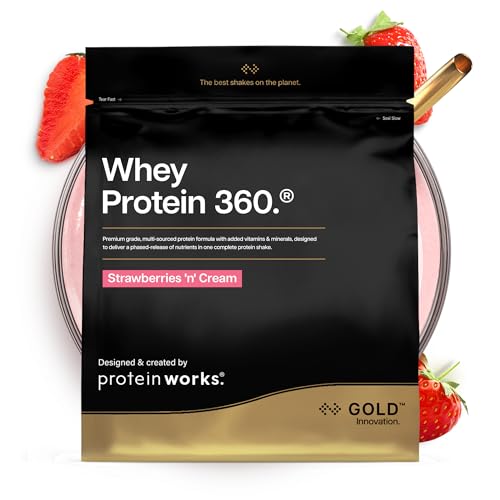


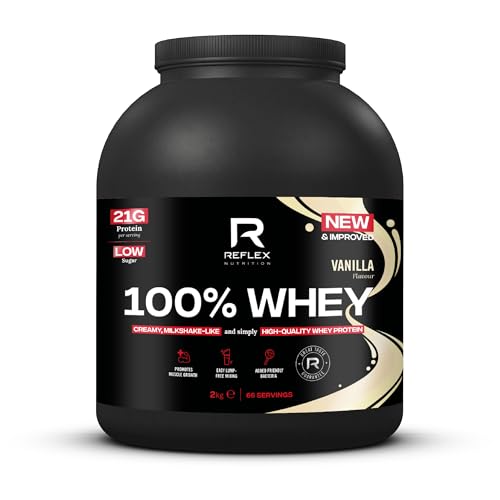

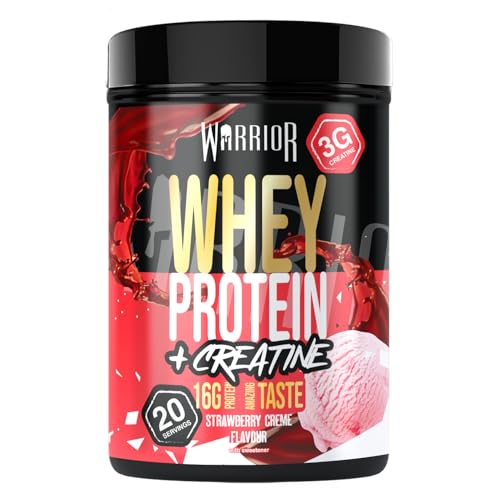


Whey is sold by the kilo, and the kilo price hides the thing you are buying. Protein per serving on this shelf runs from 20 g to 31 g, median 24 g, so two tubs of the same weight can hold noticeably different amounts of protein. Priced by the protein instead, the shelf runs from 34p to £2.00 for 20 g, a 5.8 times difference.
Protein per serving and serving counts are read from the listing wording. Where a tub does not state its serving count we cannot work out the protein it holds, so it is left out of this table rather than estimated.
"Whey protein prices" is the most common way people arrive at this shelf, and the tub price is the least useful number on it. Across the 45 protein powders we track the price runs from £12.99 to £170, with the midpoint around £40, but those tubs are not the same size and only 21 of the 45 even state the weight in kilograms in the product name.
The comparison that survives is cost per serving, and after that cost per gram of protein, because a 30g scoop can contain anywhere from 17g to 27g of protein depending on whether it's a concentrate, an isolate or a blend padded with cocoa and thickeners. We show a live price and a per-unit cost on every product page for exactly this reason: a big tub at a big price is often cheaper per serving than a small one, and sometimes it isn't.
Supermarket own-brand powders are usually concentrates at the cheaper end, and for most people topping up daily protein that's a sound choice. Paying isolate money makes sense if lactose is a problem or you want the leanest possible macros, not because it is a better protein in general.
Two tubs, one 1kg at £28 and one 2.27kg at £83. Which is better value? You can't tell without two numbers from the back of each: protein per serving and servings per tub. Multiply them for total protein, divide the price by that, and you've cost per gram.
This matters more than it sounds because serving sizes vary from around 20g to 30g of protein between brands, and a tub advertising more servings often does so by making each one smaller. A product looking 20% cheaper on the shelf can be more expensive per gram of protein.
Do it once for the three products you're choosing between and the decision usually makes itself.
Whey concentrate is the standard: around 70 to 80% protein by weight, with some lactose and fat, and the best value per gram. It suits almost everyone.
Whey isolate is filtered further to around 90% protein with much less lactose and carbohydrate. Worth the premium if you're lactose sensitive or counting carbohydrate closely, and not otherwise.
Hydrolysate is pre-broken-down for faster absorption, costs the most and tastes worst. The practical advantage for ordinary training is minimal.
Vegan blends combine pea, rice, soy or hemp to cover the amino acid profile, since no single plant source does it as completely as whey. Texture is grainier and flavour matters more in reviews as a result. Casein digests slowly and is usually taken before bed.
The UK reference intake is around 0.75g per kg of bodyweight a day, which is a floor for avoiding deficiency rather than a target for anyone training. Research on resistance training generally points to around 1.6g per kg daily, with little additional benefit above roughly 2.2g.
For an 80kg person that's about 128g a day. Most people get a substantial part of that from food without trying, and the honest use of powder is to close the gap conveniently rather than to supply the whole amount. It's food, not a supplement in the pharmacological sense.
Timing is much less important than the daily total. The narrow post-workout window hasn't held up well in research; spreading protein across the day works, and so does whatever fits your routine.
Watch for amino spiking, where cheap free amino acids such as glycine or taurine are added so that nitrogen-based protein tests read higher than the actual complete protein. A long list of added individual amino acids on a cheap product is the signal.
Also worth checking: sweetener type if you're sensitive to them, and whether flavour ratings in reviews are consistent, because a tub you dislike is a tub you won't finish.
Two health notes. Anyone with kidney disease should discuss protein intake with their doctor rather than adding a powder. And whey is a dairy product: if you've a milk allergy, that's different from lactose intolerance and isolate doesn't solve it.
Divide the price by the total grams of protein in the tub, which is servings multiplied by protein per serving. Serving sizes vary from 20g to 30g between brands, so tub price alone is misleading.
Concentrate is around 70 to 80% protein with some lactose and fat, and is the best value. Isolate is filtered to around 90% with much less lactose, which is worth the premium if you're lactose sensitive or counting carbohydrate.
The UK reference intake is around 0.75g per kg of bodyweight, which is a floor. Research on resistance training points to around 1.6g per kg daily, with little extra benefit above roughly 2.2g.
Daily total matters far more than timing. The narrow post-workout window hasn't held up well in research, so take it whenever it fits your routine.
A blend of pea, rice or soy covers the amino acid profile well, since no single plant source does it as completely as whey. Texture is grainier, which is why flavour reviews matter more in that group.
Adding cheap free amino acids such as glycine or taurine so nitrogen-based tests read a higher protein figure than the complete protein actually present. A long list of individual added amino acids on a cheap product is the warning sign.