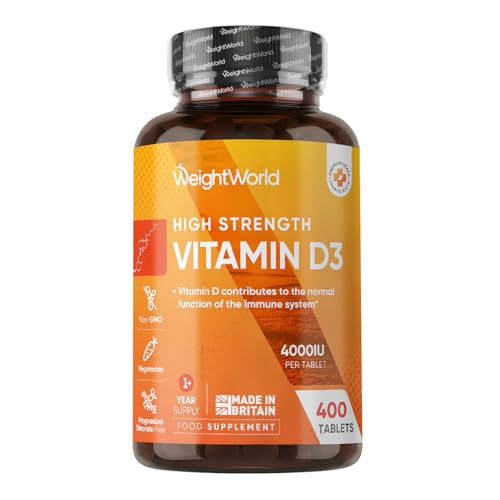
Vitamin D
Vitamin D is the one supplement UK health guidance actively recommends to the general population, which makes it unusual in this aisle. The question isn't whether to take it, it's which strength, and that's where the labels get confusing.
Read our best Vitamin D Supplement UK shortlist →
Short answer
NHS advice is that everyone in the UK should consider a daily 10 microgram (400 IU) vitamin D supplement in autumn and winter, because sunlight is too weak here from about October to March for the body to make enough. Some groups should take it all year. Choose D3 over D2, and note that 10 micrograms = 400 IU while 100 micrograms = 4000 IU is the daily upper limit for adults. High-strength isn't automatically better.

#2 · VitaPremium VitaPremium Vitamin D 4,000 IU Gel Capsules, High Strength
★4.7 (42,800)
Check price 

#4 · Incite Nutrition Incite Nutrition Vitamin D3 4000 IU - 400 High Strength
★4.6 (37,000)
Check price 
#5 · VitaPremium VitaPremium Vitamin D 4,000 IU Tablets, Maximum Strength Vitamin
★4.6 (2,400)
Check price 
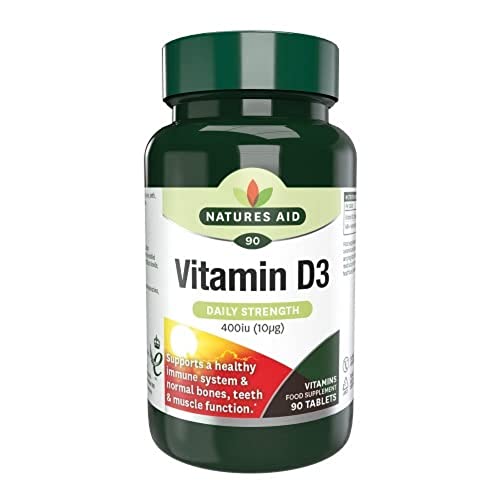
#7 · Natures Aid Natures Aid Vitamin D3 10µg (400IU) Supplement – 90 Tablets
★4.6 (3,200)
Check price 


#11 · VitaPremium VitaPremium Vitamin D 1,000 IU, Optimal Strength Vitamin D3
★4.7 (685)
Check price 

#13 · G R O U N D E D COFFEE SCRUB G R O U N D E D COFFEE SCRUB Vitamin D3 4000 IU Micro Tablets - 365
★4.7 (1,900)
Check price 
#14 · Nu U Nutrition Nu U Nutrition Vitamin D 4000IU - 365 Softgel Capsules not
★4.7 (11,400)
Check price 
#15 · Nu U Nutrition Nu U Nutrition Vitamin D 1000IU - 365 Softgels Capsules
★4.7 (5,800)
Check price 
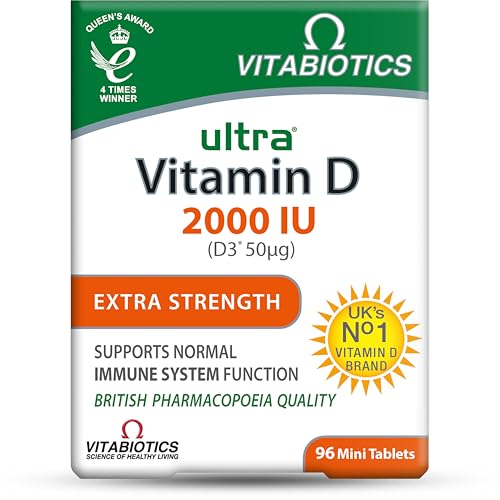
#17 · Vitabiotics Ultra Vitabiotics Ultra Vitamin D Tablets 2000IU, Vitabiotics Ultra-96 Count 1-Pack
★4.7 (38,600)
Check price 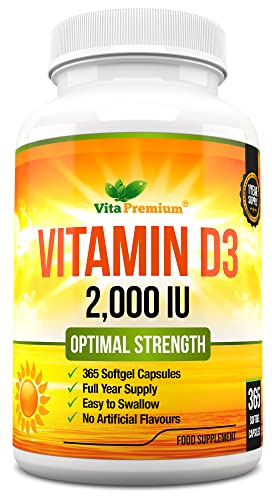
#18 · VitaPremium VitaPremium Vitamin D 2,000 IU, Optimal Strength Vitamin D3
★4.7 (682)
Check price 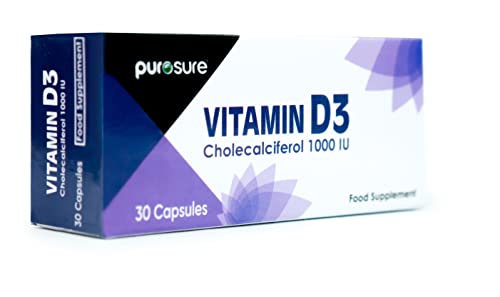

#20 · Right Choice Supplements Right Choice Supplements Vitamin D3 1000iu - 1 Year Supply, 365
★4.7 (875)
Check price 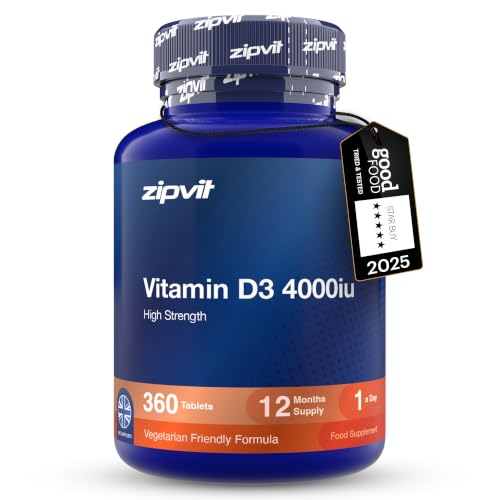

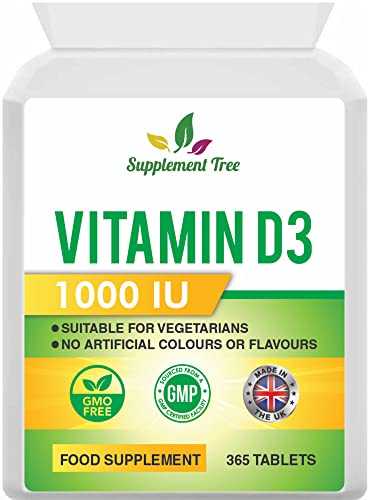
#24 · Supplement Tree Supplement Tree Vitamin D 1000IU 365 Vegetarian Tablets | Optimum
★4.7 (772)
Check price 
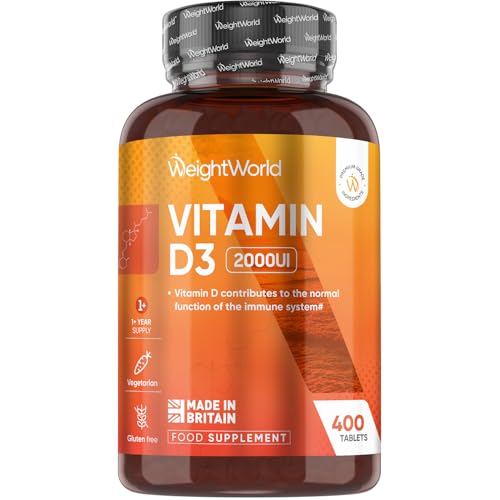


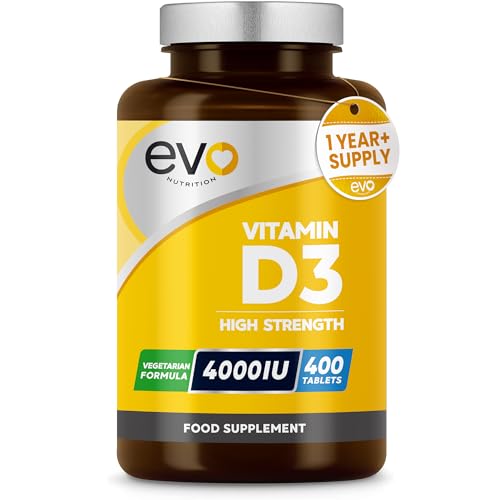
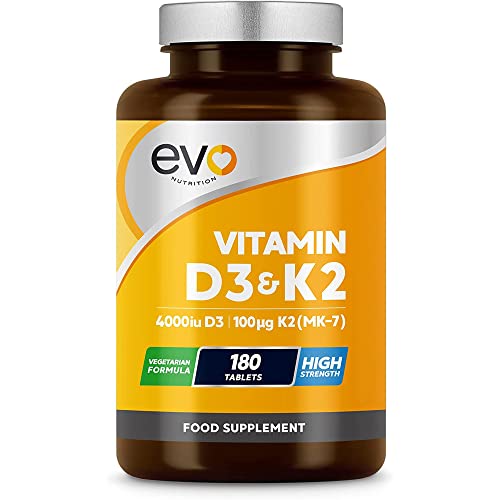
#30 · EVO NUTRITION EVO NUTRITION Vitamin D3 4000IU High Strength, 400 Tablets
★4.7 (1,800)
Check price 
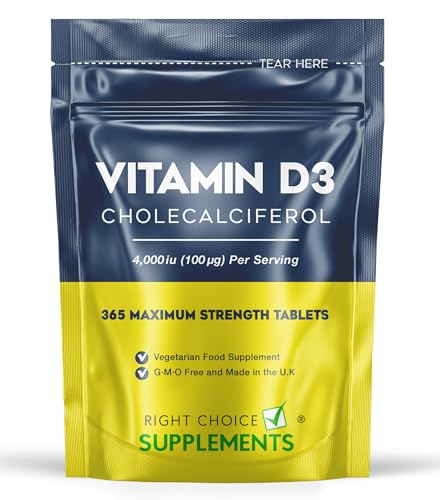
#32 · Right Choice Supplements Right Choice Supplements Vitamin D3 4000 iu - 1 Year Supply
★4.6 (233)
Check price 

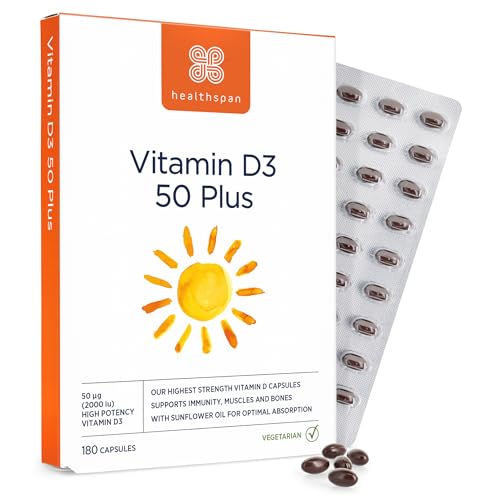

#36 · Igennus Healthcare Nutrition Igennus Healthcare Nutrition Igennus Pure Vitamin D3 2000iu, Clean Label, 365
★4.7 (11,900)
Check price 


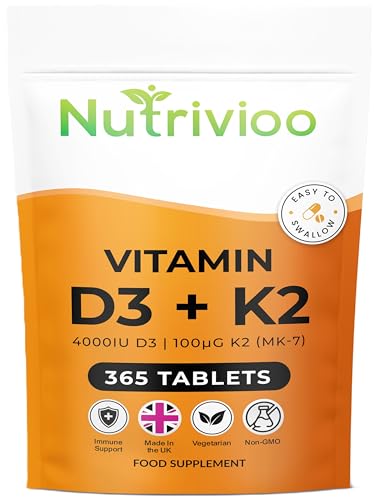
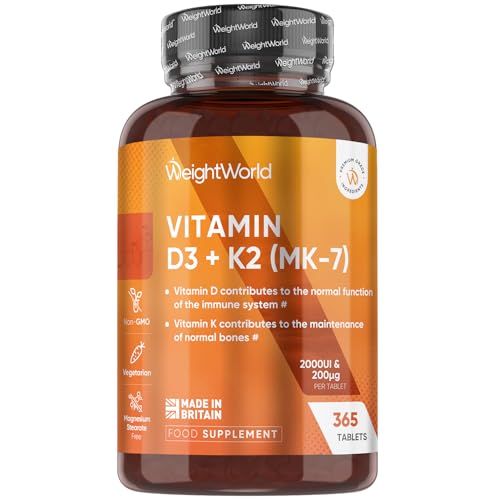

#42 · HOWARD & JAMES HOWARD & JAMES Vitamin D3 4000iu Plus Vitamin K2 100ug 120
★4.6 (6,000)
Check price 

#44 · Nu U Nutrition Nu U Nutrition Vitamin D 3000IU - 365 Softgel Capsules
★4.7 (1,900)
Check price 
#45 · Supplement Tree Supplement Tree Vitamin D3 4000 IU High Strength | 400
★4.6 (1,000)
Check price 
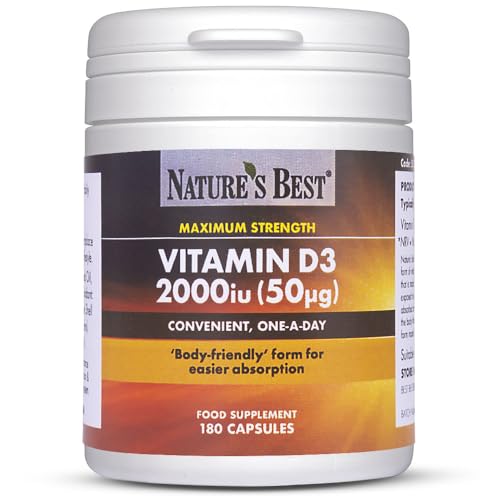
#47 · NATURE'S BEST NATURE'S BEST Vitamin D3 2000iu, 180 Capsules (6 Months' Supply)
★4.7 (87)
Check price 

#49 · NATURE'S BEST NATURE'S BEST Vitamin D3 1000iu, 180 Capsules (6 Months' Supply)
★4.7 (87)
Check price 

What the strength on the bottle means for the price
Vitamin D is sold in a wide range of strengths and the number on the front does most of the selling. The bottles on this shelf run from 400 IU to 4,000 IU, with a median of 3,000 IU, and 24 of the 51 we can read are at 4,000 IU or above. Per tablet the shelf runs from 0.1p to 50p. Strength and price per tablet move independently, which is why the two columns below are worth reading together rather than one at a time.
Strengths and tablet counts are read from the listing wording. Where a label prints micrograms the IU figure is converted at 40 IU per microgram. We do not print a recommended dose here: that is a question for the label and for a pharmacist, not for a price table.
What the NHS actually recommends, and who needs it year-round
The guidance is more specific than most people realise. Everyone aged one and over should consider taking a daily supplement containing 10 micrograms of vitamin D during autumn and winter, because between roughly October and March UK sunlight isn't strong enough for the skin to make it.
Some groups are advised to take it all year round: people who are rarely outdoors, anyone in a care home, people who usually wear clothing that covers most of their skin outdoors, and people with dark skin from African, African-Caribbean or South Asian backgrounds, because more melanin means less vitamin D made from the same sunlight.
Babies from birth to one year should have a daily 8.5 to 10 microgram supplement unless they're having more than 500ml of infant formula a day, which is already fortified. Children aged one to four should have 10 micrograms daily all year.
IU versus micrograms: the label conversion that confuses everyone
Vitamin D is labelled in two units and the numbers look wildly different, which is why people end up buying ten times what they intended. The conversion is fixed:
| Micrograms (µg) | International Units (IU) | What it's |
|---|---|---|
| 10 µg | 400 IU | The NHS recommended daily amount |
| 25 µg | 1000 IU | A common everyday strength |
| 50 µg | 2000 IU | Common high-street strength |
| 100 µg | 4000 IU | The daily upper limit for adults |
So a 4000 IU tablet is ten times the recommended amount and sits at the upper limit of what is considered safe long term. That's not a reason to panic if you take one, and many people do, but it's a reason to know what you're taking rather than assuming a bigger number is a better product. If you take vitamin D in more than one product, add the totals up.
D3 or D2, and vegan options
Vitamin D3 (cholecalciferol) is the form the body makes from sunlight, and the evidence suggests it raises blood levels more effectively than D2. It's the default and the one to choose unless you've a specific reason not to.
Vitamin D2 (ergocalciferol) comes from plant and fungal sources and is the traditional vegan-suitable option. It works, but less efficiently.
The useful development for vegans is that D3 from lichen is now widely available, which gives the more effective form without the animal source. Most conventional D3 is derived from sheep wool lanolin, which is why the vegan question comes up. If you need vegan, look for lichen-derived D3 specifically rather than assuming a plant-based brand means plant-based vitamin D.
Tablets, capsules, sprays and drops: does the format matter?
Less than the marketing suggests. Vitamin D is fat-soluble, so absorption is helped by taking it with a meal containing some fat, and that matters more than whether it's a tablet or a capsule.
Where format genuinely helps is compliance and practicality. Softgel capsules already contain oil, which suits taking it on an empty stomach. Sprays suit anyone who struggles to swallow tablets or has had bowel surgery affecting absorption. Drops are the standard for babies and young children. Small tablets matter more than people expect for a supplement taken every day for years.
On cost, tablets are usually the cheapest per day by a wide margin, and a year's supply of a basic D3 tablet costs a few pounds. This is one of the cheapest supplements there's, so paying a premium for a format you don't need is the main way to waste money here.
When to test rather than guess
Most people don't need a blood test to follow the standard advice, because the recommended 10 micrograms is a general safety net rather than a treatment.
A test is worth asking your GP about if you've symptoms that could be deficiency, such as persistent bone or muscle pain or unexplained fatigue, if you're in one of the year-round groups above, or if you've a condition affecting fat absorption such as coeliac or Crohn's disease. Deficiency that causes symptoms is a medical matter and is usually treated with a prescribed loading dose, not with a supermarket supplement.
Taking very high doses long term without a reason is the one genuine risk here: too much vitamin D over time raises calcium levels and can damage the kidneys. That's why the 100 microgram upper limit exists. Follow it unless a doctor has told you otherwise.
Common questions
How much vitamin D should I take a day in the UK?
NHS advice is 10 micrograms (400 IU) daily for everyone aged one and over during autumn and winter. Some groups, including people rarely outdoors and people with dark skin, should take it all year. The upper limit for adults is 100 micrograms (4000 IU) a day.
Is 4000 IU of vitamin D too much?
It's ten times the recommended amount and sits at the daily upper limit considered safe for adults long term. Many people take it without problems, but it's not a better product simply for being stronger, and you should add up the vitamin D in everything you take.
What is the difference between vitamin D and D3?
D3 (cholecalciferol) is the form your body makes from sunlight and raises blood levels more effectively. D2 (ergocalciferol) comes from plants and fungi and works less efficiently. Choose D3 unless you've a specific reason not to.
Is vitamin D3 vegan?
Most D3 is made from sheep wool lanolin, so no. Vegan D3 derived from lichen is now widely available and is the better vegan choice than D2. Look for lichen specifically on the label.
When should I take vitamin D, morning or night?
Timing matters far less than consistency. It's fat-soluble, so taking it with a meal containing some fat helps absorption. Pick whichever time you'll actually remember every day.
Do I need vitamin D in summer?
Most people get enough from sunlight between late March and September. You should still take it year-round if you're rarely outdoors, live in a care home, usually cover your skin outdoors, or have dark skin.
Do babies and children need vitamin D?
Yes. Babies from birth to one year need 8.5 to 10 micrograms daily unless having more than 500ml of infant formula a day, which is fortified. Children aged one to four need 10 micrograms daily all year round.
Should I get a vitamin D blood test?
Not for following the standard advice. Ask your GP if you've symptoms such as persistent bone or muscle pain, are in a year-round supplement group, or have a condition affecting fat absorption. Symptomatic deficiency is treated with a prescribed dose, not a shop supplement.