
#1 · HIGH5 HIGH5 ZERO Electrolyte Tablet - Hydration Tablets Enhanced with
★4.5 (14,122)
Check price Protein powders, meal replacement shakes, electrolyte tablets and creatine sit in one aisle but solve four completely different problems. This page explains what each one is for, what the cost-per-serving actually works out at, and when the cheaper option is genuinely the same thing.
Read our best Diet & Nutrition shortlist →
Four different products live here. Protein powder helps you hit a daily protein target; buy on cost per 25g of protein, not per tub. Meal replacement shakes substitute a meal for convenience or calorie control. Electrolyte tablets replace salts lost through heavy sweat, not everyday thirst. Creatine monohydrate is the most evidenced sports supplement there's, and the cheap unflavoured version is the same molecule as the expensive one.



![PhD Nutrition Diet Whey Lean Protein Powder | Vanilla Crème Whey Protein Powder 1 kg Bag [ Packaging May Vary ]](https://m.media-amazon.com/images/I/41UqsWAzDRL._SL500_.jpg)






A 1kg tub at £28 and a 2.27kg tub at £83 look very different until you divide. What matters is cost per 25g of protein, and to get that you need two numbers off the label: grams of protein per serving, and servings per tub. A tub advertising 41 servings at 20g protein contains less total protein than one advertising 30 servings at 30g.
The three formats worth knowing apart: whey concentrate is the standard, best value option; whey isolate is filtered further for less lactose and carbohydrate, at a premium most people don't need; vegan blends (pea, soy, rice) are for dairy-free diets and typically have a grainier texture, which is why flavour reviews matter more in that group.
Own-brand and direct-to-consumer powders from Bulk, Myprotein and Protein Works are usually the cost winners, while Optimum Nutrition charges a premium that buys consistency and mixability rather than more protein. Our whey protein page ranks the individual products.
A meal replacement shake is a controlled-calorie, fortified drink that stands in for a meal. Its real advantage is that it removes a decision: it's portioned, it's quick, and it's the same every day. For people who skip breakfast and then overeat at lunch, or who want a predictable calorie floor, that's genuinely useful.
What it can't do is change your relationship with food. Shakes work while you drink them, and weight tends to return when you stop unless the eating patterns around them changed too. Anyone using them for significant weight loss, or who has a health condition, diabetes, or is pregnant or breastfeeding, should talk to a GP or a registered dietitian rather than a product page. NHS weight-loss guidance is free and evidence-based, and it's a better starting point than any shake.
On cost: ready-to-drink bottles are convenient and expensive; powder is roughly half the price per serving and takes thirty seconds with a shaker. If you're going to use them regularly, powder plus a bottle is the sensible buy.
Electrolyte tablets replace sodium, potassium, magnesium and chloride lost in sweat. That makes them genuinely useful for long runs, hot weather, endurance sport, and recovering from illness that has caused fluid loss. For a normal day at a desk, water and a balanced diet cover it, and a tablet mostly buys you flavour.
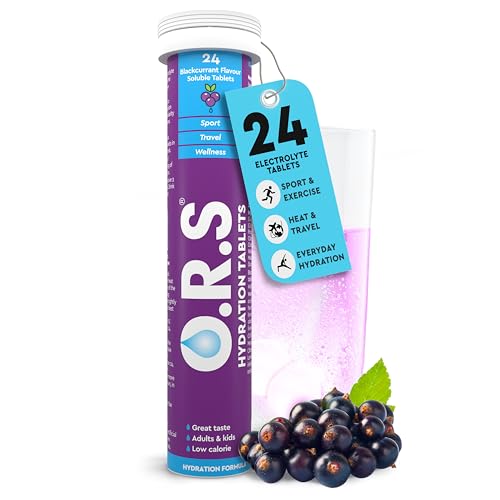
There are two distinct categories under the same name. Zero-sugar tablets like HIGH5 ZERO are for hydration without calories. Oral rehydration salts such as O.R.S are formulated around a specific glucose-to-sodium ratio for illness-related dehydration, which is a medical purpose rather than a sports one. They aren't interchangeable, and if you're treating dehydration from vomiting or diarrhoea, particularly in a child, a pharmacist is the right person to ask.
Multivitamin-plus-electrolyte tablets exist too. They are convenient if you want one tablet doing two jobs, but check you aren't doubling up with a separate multivitamin.
Creatine monohydrate is the most researched sports supplement available, with consistent evidence for strength and power output in resistance training. It's also, unusually for this aisle, cheap: a few pounds a month at a standard daily dose.
The important buying point is that plain creatine monohydrate is chemically identical whichever brand sells it. Micronised versions dissolve better, which is a texture benefit rather than a potency one. The premium blends, hydrochloride versions and "advanced" formulas don't have evidence to justify their multiples. Buy the cheapest reputable monohydrate, in powder or tablet form, and spend the difference on food.
Three patterns are worth naming. Buying protein by tub price instead of protein content, which is how a cheaper tub ends up costing more per gram. Buying ready-to-drink when powder does the same job, which roughly doubles the cost per serving for a saving of thirty seconds. And buying a detox or cleanse product to solve something a supplement can't solve: your liver and kidneys already do that work, and no capsule improves on them.
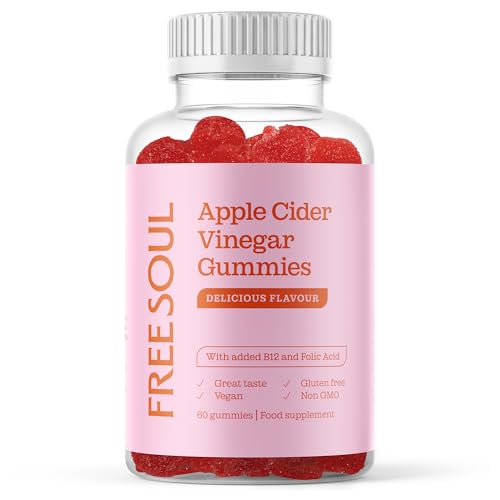
Apple cider vinegar sits in a middle ground: popular, inexpensive, and with far weaker evidence than its marketing implies. If you want to try it, do so cheaply and without expectations. Our apple cider vinegar page covers what the research does and doesn't support.
Concentrate is the standard, best-value form. Isolate is filtered further, giving less lactose and carbohydrate per serving at a higher price. Unless you're lactose sensitive or counting carbohydrate closely, concentrate does the same job for less.
Divide the pack price by the total grams of protein in the tub, which is servings multiplied by protein per serving. Comparing tub prices alone is misleading because serving sizes vary from 20g to 30g of protein between brands.
They can help by making calorie intake predictable and removing a decision, but weight typically returns when they stop unless eating habits changed alongside. For significant weight loss, or if you've a health condition, are pregnant or breastfeeding, speak to a GP or registered dietitian first. NHS weight-loss guidance is free and evidence-based.
No. They replace salts lost in sweat, so they're for endurance exercise, hot weather and illness-related fluid loss. On an ordinary day, water and a balanced diet cover it.
Sports electrolyte tablets are for hydration during exercise. Oral rehydration salts such as O.R.S use a specific glucose-to-sodium ratio designed for dehydration caused by illness. They aren't interchangeable, and for a dehydrated child a pharmacist or GP should be your first call.
No. Plain creatine monohydrate is the same molecule whoever sells it, and it's the form with the research behind it. Micronised versions dissolve better but aren't more potent. Buy the cheapest reputable monohydrate.
There's no good evidence that they do anything your liver and kidneys aren't already doing. If you're looking for a change that affects how you feel, sleep, fibre intake and alcohol are the levers with real evidence behind them.