
#1 · Supplement Tree Supplement Tree A-Z Multivitamins and Minerals Tablets - 180 Vegan
★4.6 (1,100)
Check price A multivitamin is insurance against a diet you've not got round to fixing. For some people that's worth having; for others it's money spent on expensive urine. This page helps you tell which you're.
Read our best Multivitamin UK shortlist →
A varied UK diet supplies most of what a multivitamin contains, so for most healthy adults it's optional. The exceptions worth taking seriously: vitamin D (NHS advises everyone in autumn and winter), folic acid before and during early pregnancy, B12 on a vegan diet, and vitamin drops for young children. Watch the vitamin A and iron content, which are the two where more is genuinely worse.

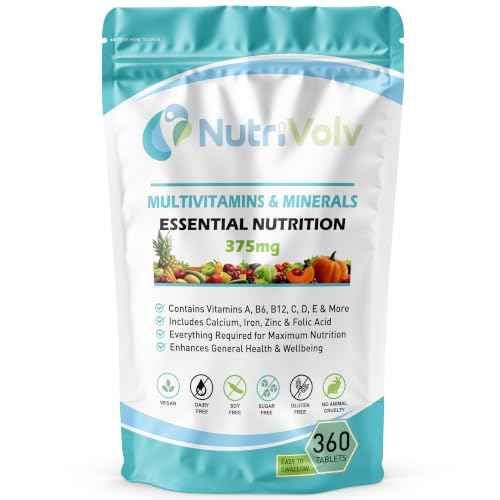


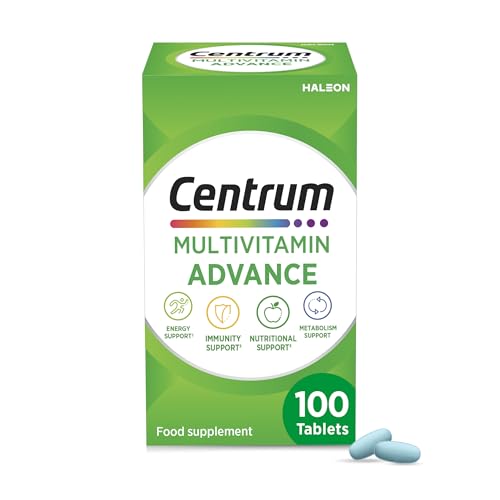


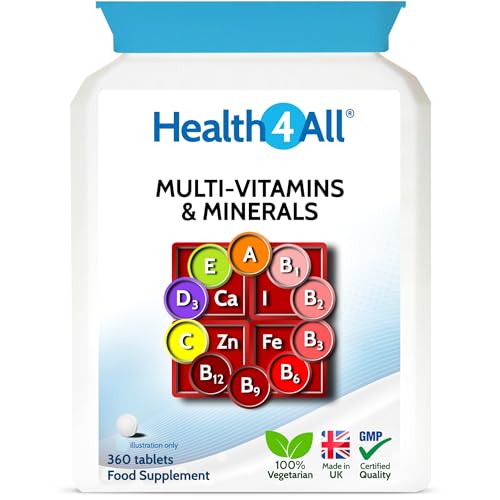


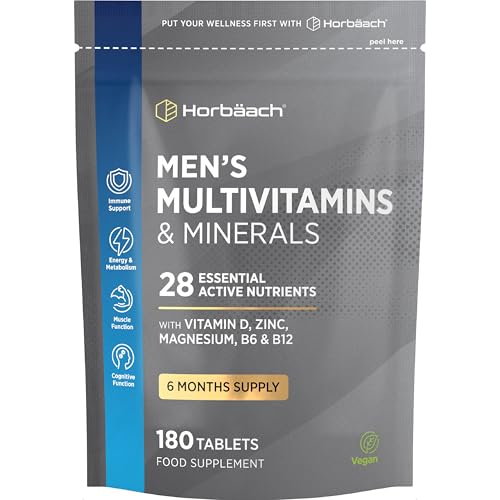

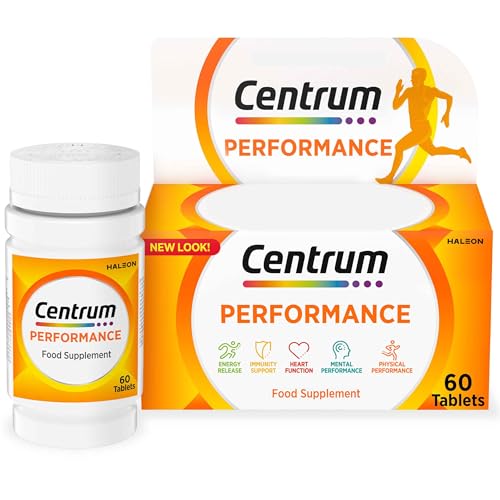
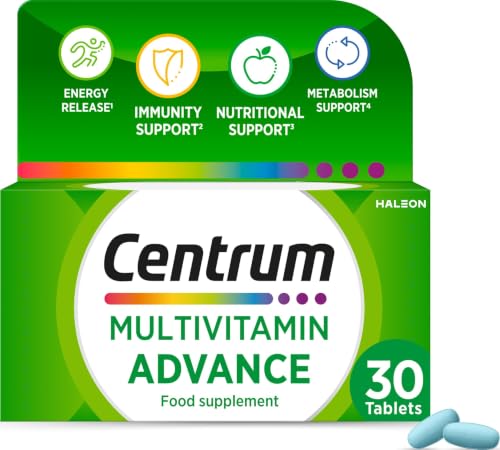


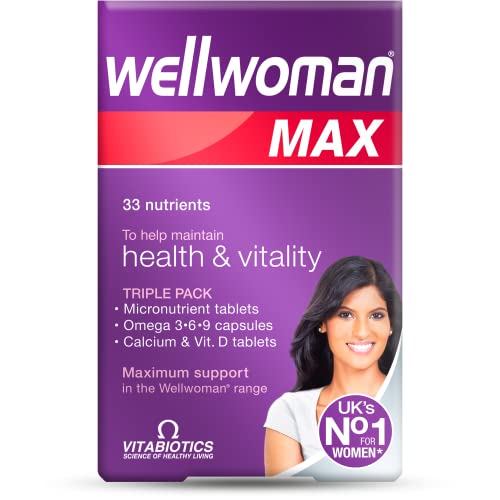


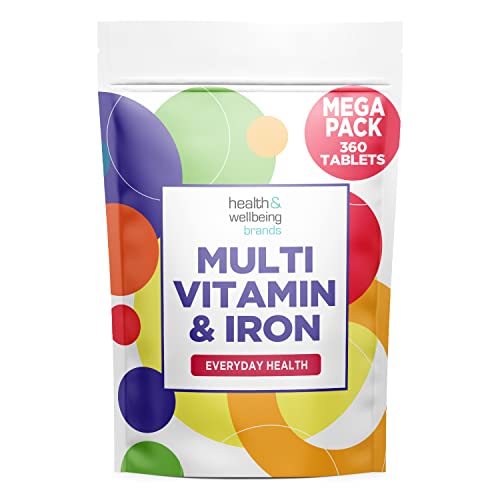
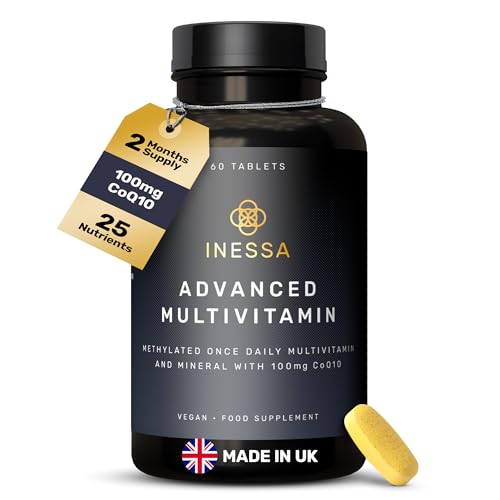
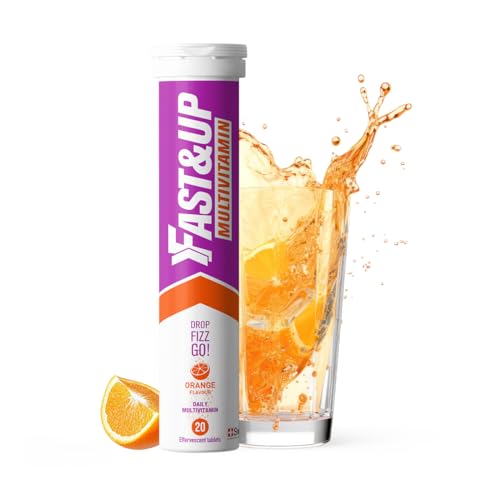

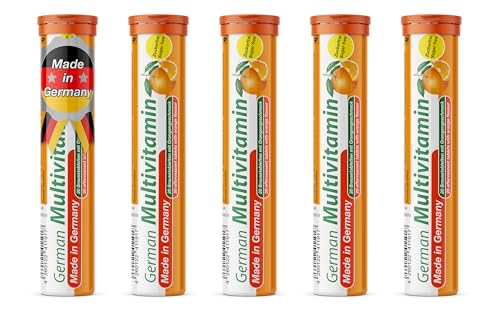


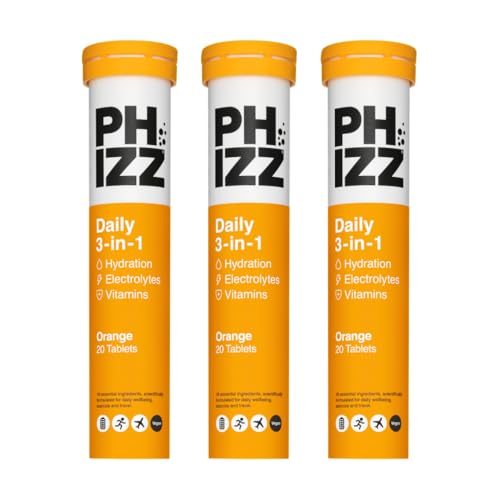
Official UK advice doesn't tell the general population to take a multivitamin. It makes four specific recommendations instead, and they're worth knowing because they're more useful than a broad-spectrum tablet:
Vitamin D: 10 micrograms daily for everyone aged one and over in autumn and winter, and all year for several groups. Folic acid: 400 micrograms daily for anyone who could become pregnant, from before conception until the twelfth week. Vitamin drops containing A, C and D for children aged six months to five years, unless they have more than 500ml of formula a day. B12 isn't an NHS population recommendation but is a genuine requirement on a vegan diet.
If those cover you, targeted supplements are cheaper and better dosed than a multivitamin that includes them alongside twenty things you already get from food.
Vitamin A as retinol. It's fat-soluble, so it accumulates. Too much over time affects bone health, and in pregnancy it can harm the developing baby. Pregnant women should avoid multivitamins containing retinol and use a pregnancy-specific product, which is why those exist as a separate category. Beta-carotene, which the body converts as needed, doesn't carry the same issue.
Iron. Supplementing iron when you aren't low isn't helpful and can cause constipation and stomach upset, and in people with haemochromatosis it's harmful. Many multivitamins offer an iron-free version for exactly this reason. If you think you're low in iron, a blood test answers it and is free on the NHS.
Beyond those two, most multivitamin ingredients are water-soluble and the excess is excreted. The exception worth a glance is vitamin B6, which has an upper limit and has been linked to nerve problems at high doses taken long term.
The %NRV column is the useful part. A good general multivitamin sits near 100% for most nutrients. Numbers many times higher are a marketing signal rather than a benefit, since you can't store most of what is above your requirement.
Things that are usually padding: long botanical lists at token doses, and minerals at 15% NRV that won't change anything. Things worth having if they apply to you: vitamin D at a meaningful level, and a version formulated for your situation, whether that's pregnancy, over-50, or iron-free.
On format, tablets are cheapest by a wide margin. Gummies cost several times more per day and contain sugar, and they frequently leave out iron and some other minerals because of taste, so check the panel rather than assuming a gummy matches a tablet.
The honest cases: a restricted or repetitive diet, poor appetite, recovery from illness, older adults eating less, people on very low-calorie diets, and anyone who knows their diet is patchy and wants a floor under it. In those situations a basic multivitamin at around 100% NRV is a reasonable few pounds a month.
Where it's not worth it: as a substitute for eating better, or to fix tiredness. Persistent tiredness is worth a GP visit and a blood test, because low iron, low B12, thyroid problems and several other things present the same way, and a multivitamin can mask a B12 deficiency while nerve damage continues.
For most healthy adults eating a varied diet it's optional. NHS advice makes four specific recommendations instead: vitamin D in autumn and winter, folic acid before and during early pregnancy, vitamin drops for young children, and B12 on a vegan diet.
A pregnancy-specific one. Standard multivitamins often contain vitamin A as retinol, which should be avoided in pregnancy. Pregnancy products supply folic acid and vitamin D at the recommended amounts without the retinol.
Only if you need iron. Supplementing when you aren't low causes constipation and stomach upset and is harmful in haemochromatosis. Many brands offer an iron-free version. A blood test answers the question and is free on the NHS.
They cost several times more per day, contain sugar, and often leave out iron and some minerals because of taste. Check the nutrition panel rather than assuming a gummy matches the tablet version.
Not usually. A good general multivitamin sits near 100% NRV. Most excess is water-soluble and excreted, and two ingredients, vitamin A as retinol and iron, are actively worse in excess.
Only if you're actually low in something. Persistent tiredness deserves a GP visit and a blood test, because low iron, low B12 and thyroid problems present the same way and need different answers.