
#1 · Optimum Nutrition Optimum Nutrition Micronised Creatine Monohydrate Powder, 317g | Unflavoured, 93
★4.6 (21,200)
Check price Creatine is the unusual case in this aisle: the supplement with the strongest evidence behind it's also one of the cheapest, and almost every premium version is a worse buy than the plain one.
Read our best Creatine UK shortlist →
Buy creatine monohydrate. It's the form with the research behind it and it's chemically identical whoever sells it, so the cheapest reputable one is as good as the dearest. The standard dose is 3 to 5g daily, taken consistently; loading phases are optional and only speed up how fast your muscles saturate. Micronised means it dissolves better, not that it works better.


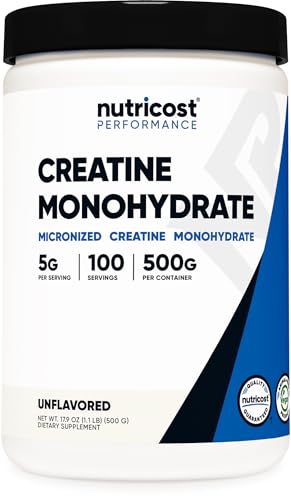
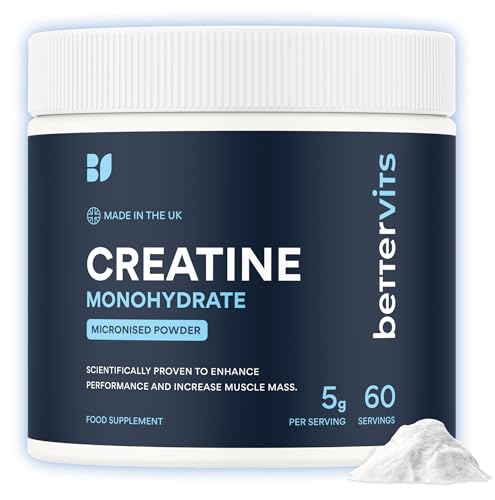



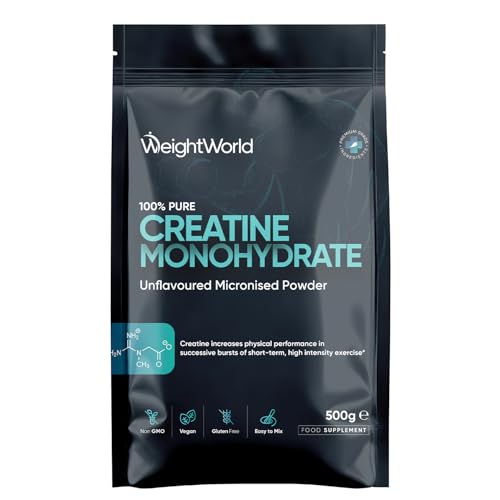
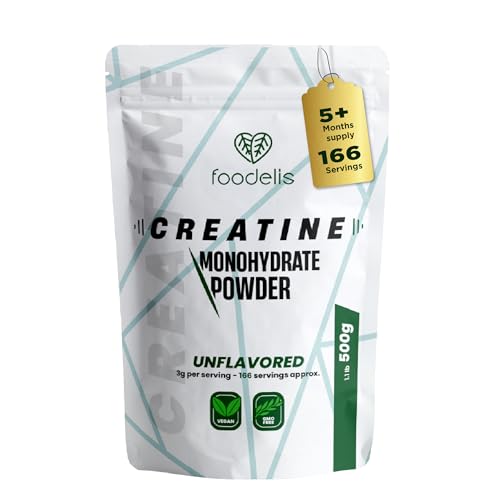

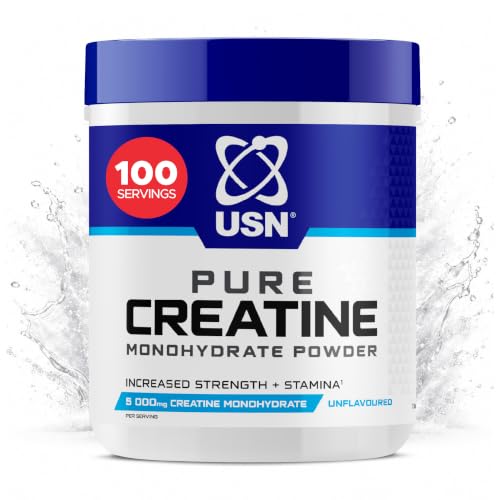
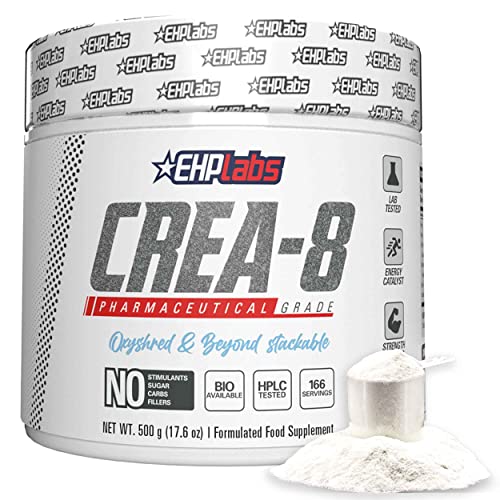

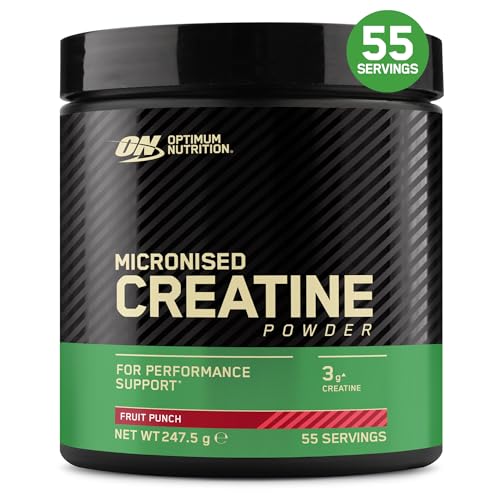
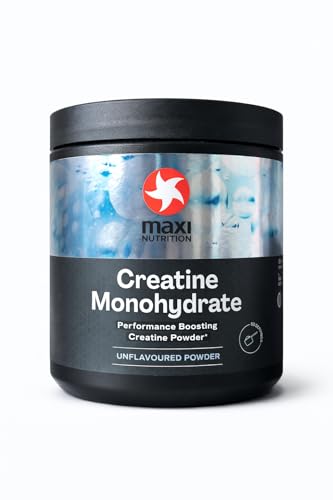


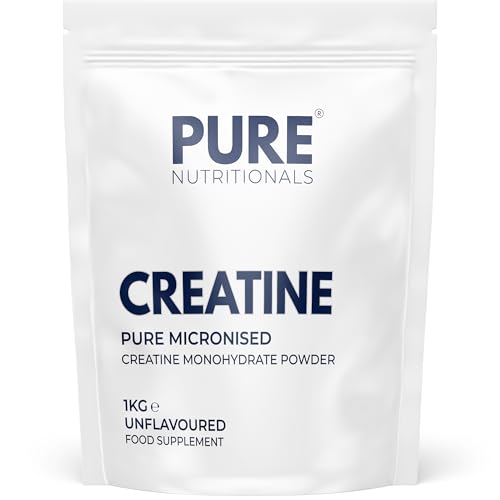

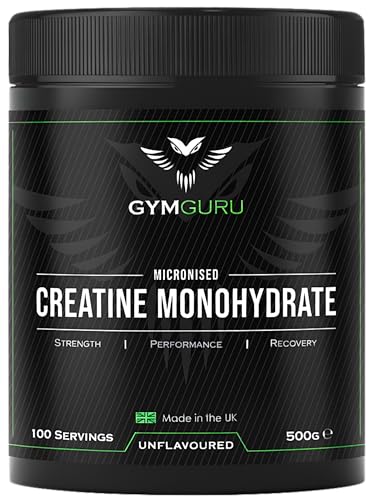


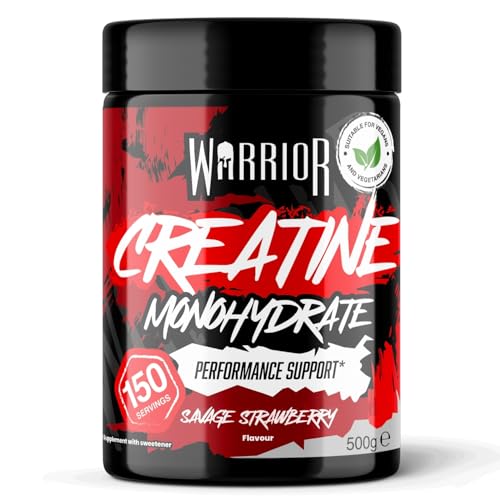


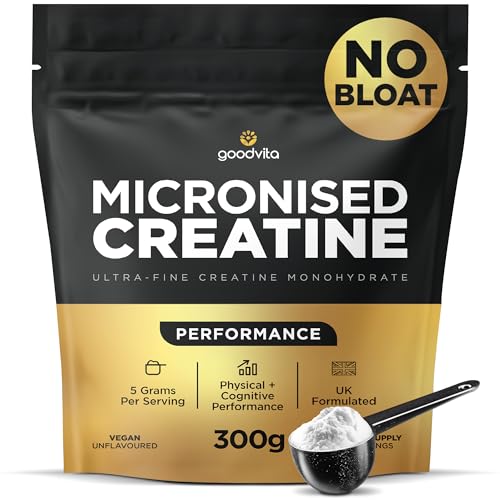

Creatine is sold by the tub and marketed by the serving, and those two numbers do not always agree. Of the 33 tubs on this shelf that print a serving count, 15 count servings smaller than 5 g, the dose used in most creatine research and the one most people take daily. The median serving behind those claims is 3.3 g. Counted at 5 g instead, the column below is what a day of creatine costs from each tub. Across the shelf that ranges from 7.5p to 53p, a 7.1 times difference for the same compound.
Tub weight and serving claims are read from the listing wording. The 5 g column is that weight divided by 5, and the cost column uses the price we track. Where a tub does not print a serving count the cell says so rather than filling in a guess.
Creatine monohydrate is among the most researched sports supplements in existence, with consistent evidence for strength and power output in resistance training. It's also cheap: a few pounds a month at a standard dose.
The category is full of alternatives sold at a premium: hydrochloride, ethyl ester, buffered, "advanced" blends. None has evidence showing it beats monohydrate on the outcomes that matter, and several have evidence showing they don't. The marketing usually leans on stomach comfort or absorption, both of which are largely solved by taking a normal dose with water and food.
Micronised monohydrate is worth a small premium for one reason only: the finer powder dissolves more easily and grits less at the bottom of the glass. It's a texture improvement, not a potency one.
The standard maintenance dose is 3 to 5g a day, every day, including rest days. Creatine works by saturating the muscle over time rather than by acting in the moment, which is why consistency matters far more than timing.
A loading phase of around 20g a day split into four doses for five to seven days saturates the muscle faster, then you drop to the maintenance dose. It's entirely optional: taking 3 to 5g daily reaches the same saturation in about three to four weeks. Loading is also the phase where people report bloating and stomach upset, so if you've no deadline, skip it.
Timing is largely irrelevant. Take it whenever you'll remember. Mixing it into a drink with some carbohydrate may help uptake slightly, and warm water dissolves it better than cold.
Creatine draws water into muscle cells, so most people gain one to two kilograms in the first weeks. That's intracellular water, not fat, and it's the mechanism working rather than a side effect to avoid. If you weigh yourself often, know this is coming or you'll misread it.
What creatine doesn't do: it's not a fat burner, it doesn't build muscle without training, and it doesn't work as a one-off before a session. It raises the ceiling on the work you can do, which then produces the adaptation.
On safety, creatine has a long record in healthy adults. The persistent claim that it damages kidneys isn't supported in people with normal kidney function. If you've kidney disease or take medication affecting the kidneys, ask your GP first. Drink normally; there's no need to force fluids beyond that.
Powder is the cheapest by a wide margin and the format almost everyone should buy. Capsules are convenient for travel and cost several times more per gram, because a 5g dose is a lot of capsules.
What to look for on the tub: it should say creatine monohydrate and little else. Servings and grams per serving are the numbers to compare, because a 500g tub at one price and a 400g tub at another aren't comparable on shelf price. Flavoured versions add sweeteners and cost more; unflavoured mixes fine into squash or juice.
Some products advertise a branded form such as Creapure, which is a purity certification rather than a different molecule. It's a reasonable tiebreaker at similar money, not a reason to pay a large premium.
Monohydrate. It has the research behind it and is chemically identical whoever sells it, so the cheapest reputable one performs the same as the most expensive. Hydrochloride, ethyl ester and buffered forms have no evidence of beating it.
No. Loading with around 20g a day for five to seven days saturates muscle faster, but 3 to 5g daily reaches the same point in three to four weeks. Loading is also when most people report bloating, so skip it unless you've a deadline.
3 to 5g daily, every day including rest days. Creatine works by saturating muscle over time, so taking it consistently matters far more than when you take it.
Usually one to two kilograms in the first weeks, and it's water drawn into the muscle cells rather than fat. That's the mechanism working. If you weigh yourself regularly, expect it.
It dissolves more easily and grits less, which is a texture benefit rather than a potency one. Worth a small premium if you dislike the mouthfeel, not worth a large one.
In healthy adults with normal kidney function, the long record doesn't support the claim that it causes damage. If you've kidney disease or take medication affecting the kidneys, check with your GP first.