
#1 · WeightWorld WeightWorld Apple Cider Vinegar Capsules 1860mg - 2 Months
★4.4 (5,200)
Check price Apple cider vinegar is one of the most heavily marketed supplements in the UK and one of the least well supported by evidence. This page is about what it's, what the research does and doesn't show, and how to buy sensibly if you want to try it.
Read our best Apple Cider Vinegar Supplement UK shortlist →
Apple cider vinegar capsules are a convenient way to take ACV without the taste or the risk to tooth enamel. On the evidence: the weight loss claims aren't supported by good human trials, and no supplement can legally be sold in the UK as a weight loss treatment. "With the mother" means the cloudy strands of bacteria and yeast from fermentation are included. If you want to try it, buy cheaply and without expectations.






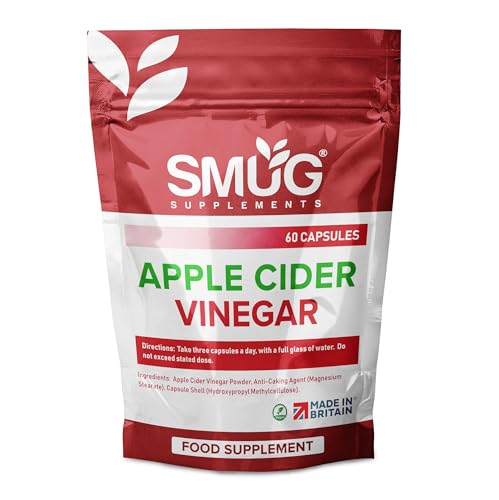
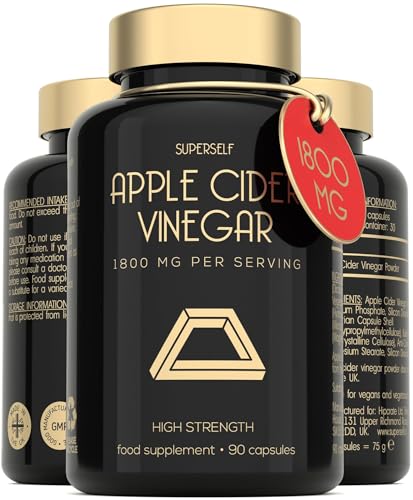


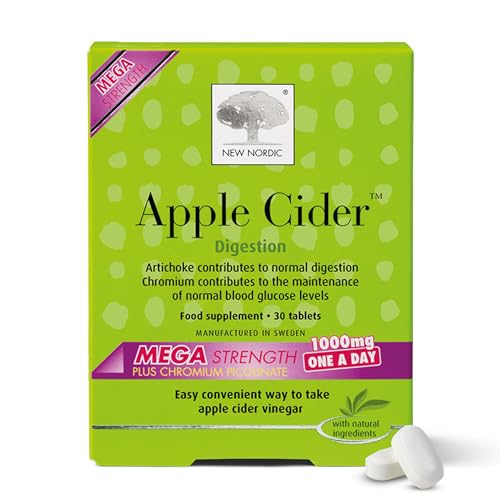





The numbers on these packs run from 300 mg to 8,000 mg, median 1,120 mg. A capsule cannot physically hold several grams of anything, so the larger figures are equivalences to liquid vinegar rather than the weight inside the capsule. Listings rarely say which, and we cannot tell them apart from the outside, so the column below is labelled as what it is: the figure on the front. 24 of 40 packs state that they contain the mother.
Cost per capsule is the only figure here that compares like with like, because it does not depend on how the brand chose to express the milligrams.
This is the part usually skipped, so it goes first. Apple cider vinegar is credited online with weight loss, blood sugar control, appetite suppression, skin improvement and a long list beyond that. The human evidence is thin: most studies are small, short, or in animals, and the ones showing a weight effect involve differences small enough to be within normal weekly fluctuation.
The one area with somewhat more support is a modest effect on blood sugar response after a meal containing carbohydrate. Even there the studies are small, and if you're managing diabetes this is a conversation with your GP or diabetes nurse rather than a reason to self-treat, particularly as vinegar can interact with insulin and some diabetes medication.
Under UK rules a food supplement can't be sold as treating, preventing or curing anything, and no weight loss claim is authorised for apple cider vinegar. When a product page implies otherwise, it's describing the marketing rather than the evidence.
The mother is the cloudy, stringy sediment in unfiltered apple cider vinegar: a colony of bacteria and yeast left over from fermentation. Its presence tells you the vinegar is raw and unfiltered rather than clarified.
Whether that matters is less clear. The mother contains some beneficial bacteria, but the amounts are small and it's not a probiotic in the way a dedicated supplement is. In a capsule, where the vinegar has usually been dried into a powder, how much of the mother survives processing is a fair question that most labels don't answer.
Treat it as a marker of a less processed product rather than as an active ingredient you're paying for. If you want live bacteria specifically, our probiotics page is the right shortlist.
Almost nobody searching for this buys the liquid, and the shelf reflects it. Of the 48 apple cider vinegar products we track, 37 are capsules, 12 are gummies and 10 are tablets, against just 2 liquids. The format you pick changes the dose you get and the acid your teeth see, so it is worth a moment rather than grabbing whichever is cheapest.
Liquid is the cheapest by a wide margin and the form all the research uses. The problems are the taste and, more seriously, the acid. Drinking vinegar neat erodes tooth enamel permanently, and enamel doesn't grow back. If you use liquid, dilute it well in water, drink it through a straw, rinse with water afterwards and don't brush your teeth for at least half an hour.
Capsules avoid both problems and are why most people buy this category. The trade-off is that the dose is far smaller than a tablespoon of liquid, and dried vinegar powder isn't identical to the liquid used in studies.
Gummies are the easiest to take and the most expensive per dose, and they contain sugar to carry the flavour, which is worth noting if the reason you're taking it's blood sugar related.
Comparing this category on the front-of-pack number is a trap. Many capsules advertise a figure like 8000mg, which is an equivalent based on concentrated powder rather than the weight in the capsule. Two products with very different headline numbers can contain a similar amount of actual ACV.
What is worth checking: the number of capsules per pack and the daily dose, so you can work out cost per day; whether additional ingredients such as cayenne, turmeric, ginger or B12 are included, since those are often what the price premium buys; and whether the capsule is vegan, as some use gelatine.
One more practical point: apple cider vinegar is acidic, and taking it on an empty stomach causes discomfort for some people. Taking capsules with food avoids most of that.
Speak to a pharmacist or GP before taking ACV supplements if you take insulin or diabetes medication, since vinegar can affect blood sugar; diuretics or medication affecting potassium, because heavy long-term use has been linked to low potassium; or if you've acid reflux, gastritis or a stomach ulcer, where added acid can make symptoms worse.
Also worth knowing: apple cider vinegar should never be applied undiluted to skin. Doing so is a common piece of internet advice and it causes chemical burns.
The good human evidence doesn't support it. Studies are mostly small or short, and the differences found are within normal weekly fluctuation. No weight loss claim is authorised for apple cider vinegar in the UK, and no food supplement can legally be sold as a treatment.
The mother is the cloudy sediment of bacteria and yeast left from fermentation, and its presence means the vinegar is raw and unfiltered. It's a marker of less processing rather than a proven active ingredient, and how much survives in a dried capsule is rarely stated.
They are easier to take and protect your teeth, but the dose is much smaller than a tablespoon of liquid and dried powder isn't identical to the liquid used in research. Liquid is cheaper; capsules are more practical.
Undiluted liquid vinegar erodes tooth enamel permanently, and enamel doesn't regrow. Dilute it well, use a straw, rinse with water afterwards and wait at least half an hour before brushing. Capsules avoid the problem entirely.
It's usually an equivalent figure based on concentrated powder, not the weight in the capsule. Front-of-pack numbers aren't comparable between brands, so compare cost per day and the stated daily dose instead.
Check with a pharmacist or GP if you take insulin or diabetes medication, diuretics or anything affecting potassium, or if you've reflux, gastritis or a stomach ulcer. Never apply it undiluted to skin, which causes chemical burns.
With food. It's acidic, and taking it on an empty stomach causes discomfort for some people. Consistency matters more than the specific time of day.