
Vitamin C
Vitamin C is cheap, safe and sold in doses many times what anyone needs. The interesting questions are what the extra does, and whether the premium forms are worth anything.
Short answer
The UK reference intake is 40mg a day, and a typical supplement delivers 500mg or 1000mg. That's not dangerous, because vitamin C is water-soluble and the excess is excreted, but absorption falls sharply above roughly 200mg so most of a 1000mg tablet leaves in your urine. On colds: regular supplementation doesn't prevent them in the general population, though it may shorten them slightly.


#3 · Incite Nutrition Incite Nutrition Vitamin C 1000mg | 180 Premium Tablets
★4.5 (6,500)
Check price 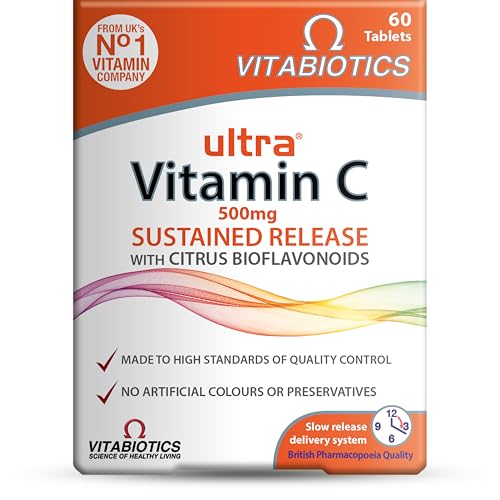
#4 · Vitabiotics Ultra Vitabiotics Ultra Vitamin C Tablets Sustained Release with Bioflavonoids
★4.6 (3,500)
Check price 


#9 · NEW LEAF PRODUCTS NEW LEAF PRODUCTS Vitamin C Tablets 1000mg - Enriched with Bioflavonoids
★4.5 (809)
Check price 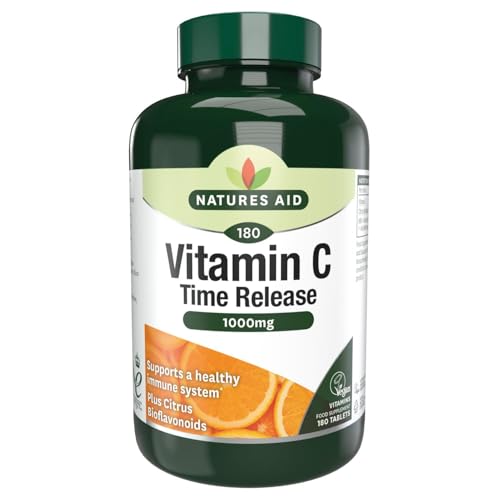
#10 · Natures Aid Natures Aid Vitamin C 1000mg Time Release Supplement – 180
★4.6 (3,400)
Check price 


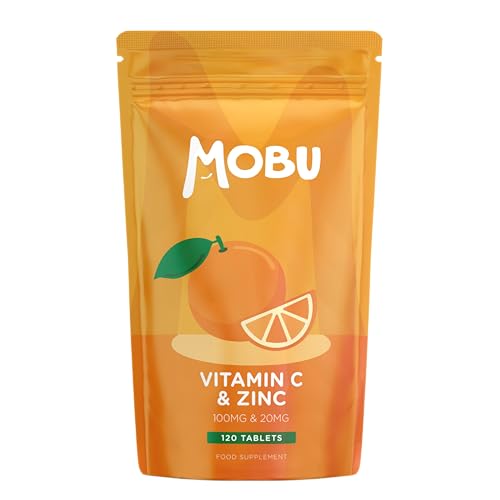

#17 · WeightWorld WeightWorld Liposomal Vitamin C Capsules 1000mg - 180 Capsules
★4.7 (6,600)
Check price 
#18 · VitaPremium VitaPremium Vitamin C 1500mg per Tablet, High Strength 180
★4.5 (4,100)
Check price 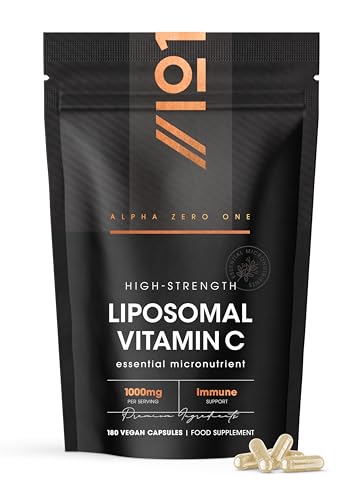

#20 · NEW LEAF PRODUCTS NEW LEAF PRODUCTS Vitamin C Tablets 1000mg - Enriched with Bioflavonoids
★4.5 (809)
Check price 


#24 · Vitabiotics Ultra Vitabiotics Ultra Vitamin C Effervescent, Dissolvable with Zinc, Orange Flavour
★4.6 (2,300)
Check price 

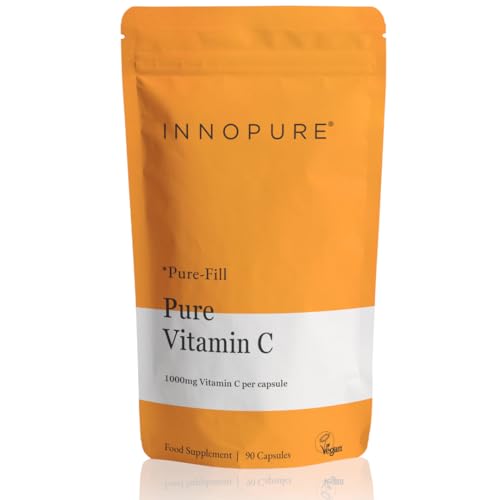


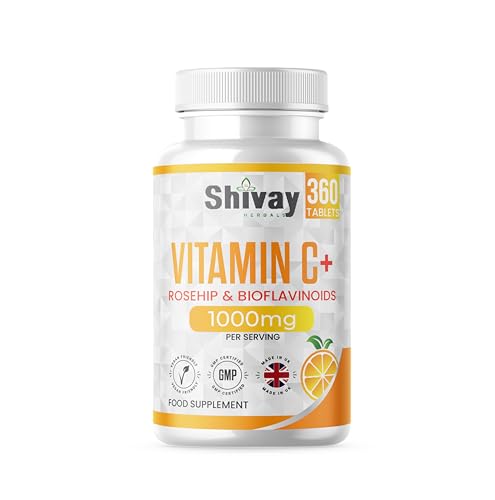
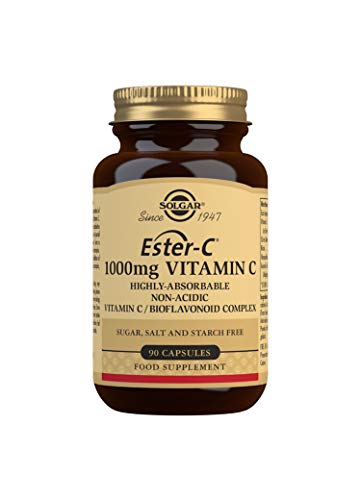


#36 · Vitamin Store Vitamin Store 120 Vitamin C Orange 1000mg Effervescent Tablets *6
★4.7 (4,900)
Check price 

#38 · Vinco Supplements Vinco Supplements Vinco Liposomal Vitamin C Capsules 1000mg - Advanced
★4.4 (90)
Check price 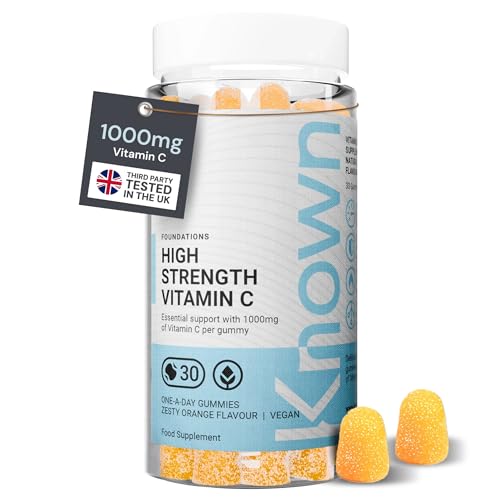
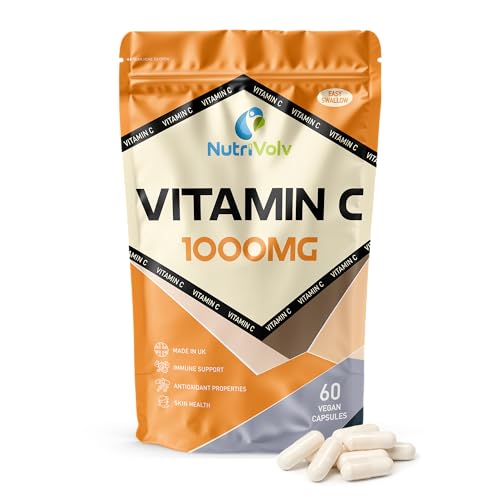
#40 · NutriVolv NutriVolv Vitamin C 1000mg Double Strength Antioxidant & Immune
★4.5 (131)
Check price 
#41 · YourSupplements YourSupplements Vitamin C Powder 100g - Ascorbic Acid
★4.6 (3,000)
Check price 
#42 · G R O U N D E D COFFEE SCRUB G R O U N D E D COFFEE SCRUB Vitamin C 500 mg Enhanced with Rosehip Bioflavonoids
★4.4 (161)
Check price 
#43 · Bettervits Bettervits Vitamin C Tablets 500mg with Bioflavonoids from Rosehip
★4.3 (39)
Check price 
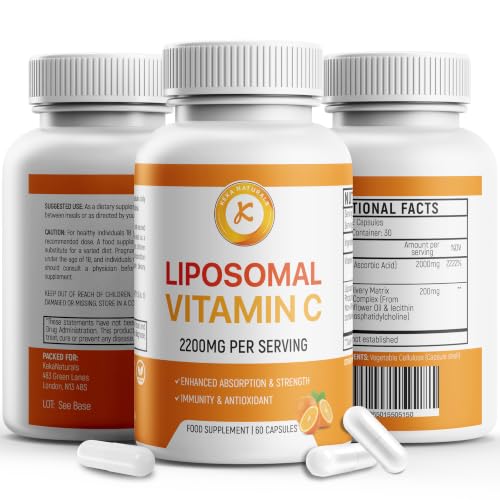
#45 · Keka Naturals Keka Naturals Liposomal Vitamin C 2200mg, Max Absorption, High Strength
★4.5 (163)
Check price 



How much you need, and what happens above that
The UK reference intake is 40mg a day, comfortably met by a normal diet: one orange, a handful of strawberries or a portion of broccoli each get you there. Deficiency severe enough to cause scurvy is rare in the UK but does still occur, typically alongside a very restricted diet or heavy alcohol use.
Absorption is the reason the big numbers on the pack matter less than they look. The proportion absorbed falls as the dose rises, and above roughly 200mg in one go the body takes up progressively less and clears the rest. A 1000mg tablet therefore doesn't deliver five times what a 200mg one does.
Doses above 1000mg a day commonly cause stomach pain, wind and diarrhoea, which is the practical ceiling most people meet. Splitting a dose across the day absorbs better than one large tablet if you want a higher intake.
The cold question, answered honestly
This is why most people buy it, so it deserves a direct answer. Reviews of the trials are consistent: routine vitamin C supplementation doesn't reduce how often the average person catches a cold.
What the same evidence does suggest is a small reduction in how long a cold lasts, on the order of several hours to a day, in people taking it regularly beforehand. Starting it after symptoms appear hasn't reliably shown a benefit.
The one group where prevention does show up is people under sustained heavy physical stress, such as marathon runners and soldiers on exercises. That's a specific population rather than a general finding.
Vitamin C does contribute to normal immune system function, which is an authorised claim, but that's a statement about the vitamin having a role rather than a promise that extra prevents illness.
Buffered, liposomal, Ester-C and the rest
Ascorbic acid is the standard and the cheapest, and it's the form used in most research.
Buffered forms, usually sodium or calcium ascorbate, are less acidic and genuinely gentler if plain ascorbic acid upsets your stomach. A reasonable reason to pay slightly more.
Liposomal vitamin C is wrapped in a fat layer and marketed as absorbing far better, at several times the price. The human evidence for a clinically meaningful advantage is thin.
Time-release makes more sense than most of the premium options, because it works with the absorption ceiling rather than against it.
Additions worth having: zinc has its own authorised immune claim, and rosehip or bioflavonoids are traditional companions with limited evidence of adding anything measurable.
Who should be careful
Vitamin C is one of the safest supplements on the shelf, but two cautions are real. High doses increase oxalate excretion, which matters if you're prone to kidney stones. And vitamin C increases iron absorption, which is useful if you're low in iron and unhelpful if you've haemochromatosis or another iron-overload condition.
It can also interfere with some blood glucose meters at high doses, which is worth knowing if you monitor at home. If you take regular medication, a pharmacist can check in a minute.
Common questions
Does vitamin C prevent colds?
Not in the general population. Reviews of the trials consistently show routine supplementation doesn't reduce how often the average person catches a cold, though it may shorten one slightly if taken regularly beforehand. Starting after symptoms appear hasn't reliably helped.
How much vitamin C should I take a day?
The UK reference intake is 40mg, easily met by diet. Supplements commonly provide 500mg to 1000mg, and above roughly 200mg in one go absorption falls sharply, so much of a large tablet is excreted.
Is 1000mg of vitamin C too much?
Not dangerous for most people, but doses above 1000mg a day commonly cause stomach pain, wind and diarrhoea. Splitting the dose absorbs better than one large tablet.
Is liposomal vitamin C worth the money?
The human evidence for a clinically meaningful advantage is thin, and it costs several times more. Buffered forms are a better-justified premium if plain ascorbic acid upsets your stomach.
What is buffered vitamin C?
A less acidic form, usually sodium or calcium ascorbate, which is genuinely gentler on the stomach than plain ascorbic acid. A reasonable reason to pay a little more if acidity is your problem.
Who should avoid high-dose vitamin C?
Anyone prone to kidney stones, because high doses increase oxalate excretion, and anyone with haemochromatosis or iron overload, because vitamin C increases iron absorption. It can also interfere with some home blood glucose meters.