
Vitamin B12
B12 is the one B vitamin where supplementing is a genuine requirement for some people rather than an optional extra. Knowing whether you're one of them is the whole decision.
Read our best Vitamin B12 Supplement UK shortlist →
Short answer
B12 occurs naturally only in animal foods, so a supplement or fortified food is a requirement on a vegan diet and sensible on a vegetarian one. Others who commonly need it: people over 65, anyone on long-term metformin or a proton pump inhibitor, and people with absorption conditions. Cyanocobalamin is the cheap, stable, well-researched standard; methylcobalamin costs more without clear advantage for most people.


#3 · NEW LEAF PRODUCTS NEW LEAF PRODUCTS Vitamin B12 High Strength Tablets - 1000mcg Vegan
★4.5 (1,700)
Check price 
#4 · Natures Aid Natures Aid Vitamin B12 1000µg Sublingual Supplement – 90 Tablets
★4.5 (956)
Check price 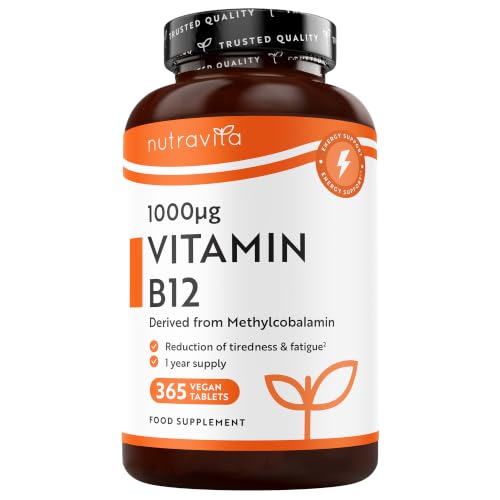
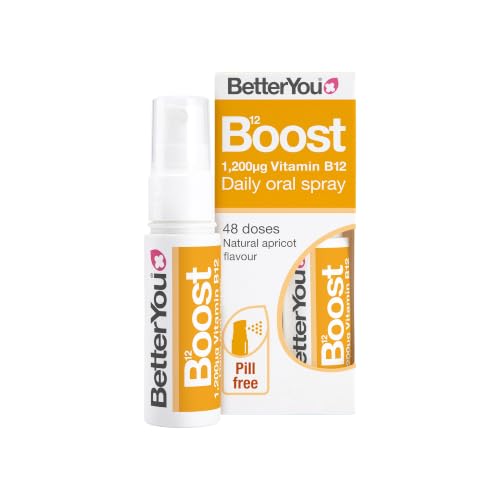
#6 · Better You Better You BetterYou Vitamin B12 Oral Spray, High Strength Methylcobalamin
★4.6 (7,000)
Check price 


#9 · Red Label Health Red Label Health Vitamin B12 Tablets High Strength 1000mcg for Men
★4.5 (241)
Check price 


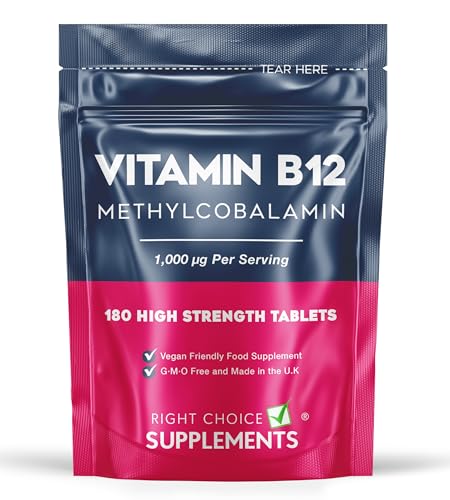
#13 · Right Choice Supplements Right Choice Supplements Vitamin B12 High Strength 1000 μg (mcg)
★4.6 (269)
Check price 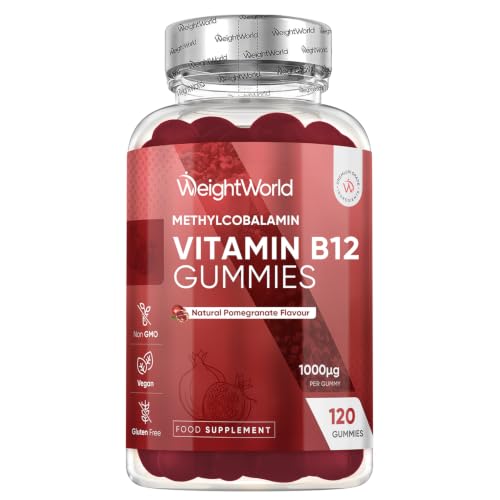

#15 · yrhealth yrhealth Vegan Vitamin B12 Tablets 1500mcg Methylcobalamin 6 Month
★4.6 (2,000)
Check price 

#17 · Igennus Healthcare Nutrition Igennus Healthcare Nutrition Igennus Super Vitamin B12 Complex 1000mcg Sublingual, 180
★4.5 (6,800)
Check price #18 · Red Label Health Red Label Health Vitamin B12 Tablets High Strength 1000mcg for Men
★4.6 (1,200)
Check price 

#20 · Nature Provides Nature Provides B12 Liquid Methylcobalamin Adenosylcobalamin 3000mcg 50ml | Normal
★4.5 (3,000)
Check price 
#21 · Royal Oak Health Royal Oak Health Vitamin B12 Tablets High Strength 1000mcg Sublingual Methylcobalamin
★4.6 (254)
Check price 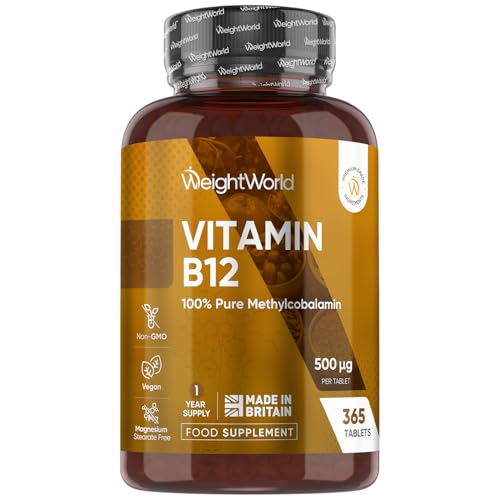

#23 · NATURE'S BEST NATURE'S BEST Vitamin B12 (Methylcobalamin) 1,000µg, 180 Tablets | High
★4.6 (84)
Check price 
#24 · NobleNature NobleNature Beetroot & Vitamin B12 Complex – 9000mg Beetroot
★4.5 (639)
Check price 
#25 · Solgar Solgar Vitamin B12 Sublingual Chewable Nuggets - Food Supplement
★4.6 (15,000)
Check price 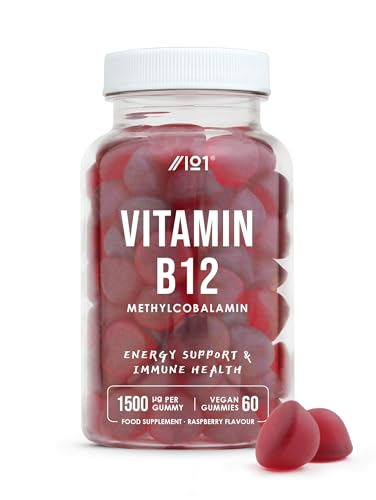
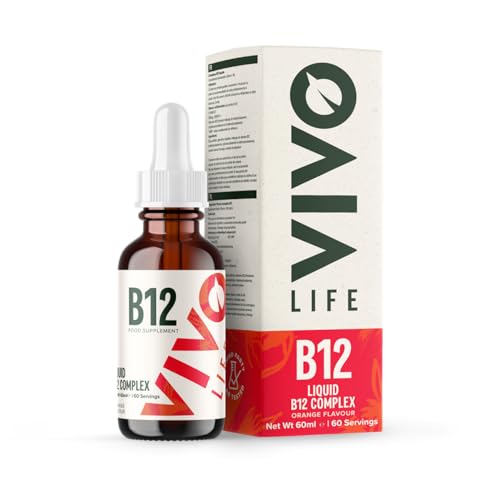
#27 · Vivo life Vivo life Vitamin B12 Complex, High Potency Health Supplement, 60
★4.4 (764)
Check price 

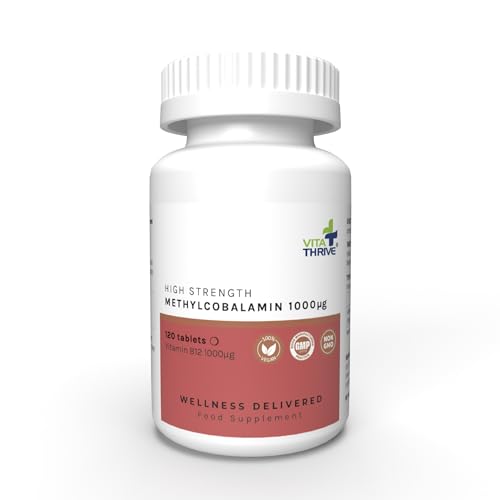
#30 · Vita Thrive Vita Thrive VitaThrive® Vitamin B12 1000µg Tablets – High Strength
★4.5 (66)
Check price 
#31 · Nu U Nutrition Nu U Nutrition Vitamin B12 1000mcg - 400 High Strength Vegan
★4.6 (3,900)
Check price 

#33 · Incite Nutrition Incite Nutrition Vitamin B12 Tablets 1000 mcg. +1 Year Supply
★4.6 (4,100)
Check price 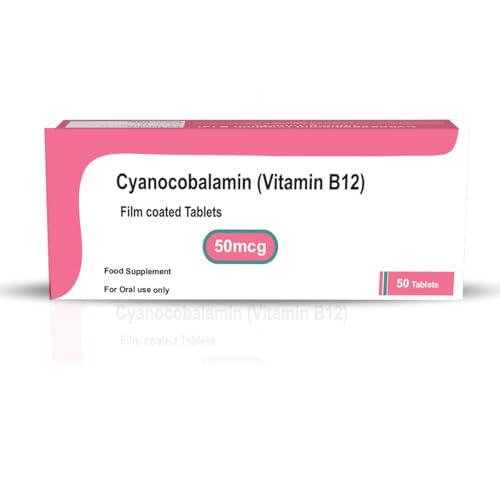
#34 · ARC) HEALTH+NUTRITION WWW.ARCHEALTHNUTRITION.CO.UK ARC) HEALTH+NUTRITION WWW.ARCHEALTHNUTRITION.CO.UK Cyanocobalamin Vitamin B12 50 Supplement Cyano Tablets High
★4.8 (28)
Check price 
#35 · Wild Nutrition Wild Nutrition Food-Grown Vitamin B12 Plus | Vitamin B12 Supplement
★4.9 (47)
Check price 
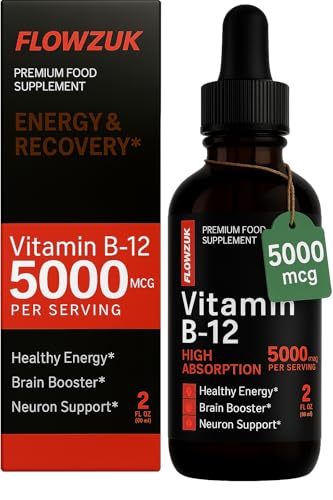

#38 · Mayfair Nutrition Mayfair Nutrition Vitamin B12 Supplements with Folic Acid - 200
★4.6 (2,000)
Check price 
#39 · Multivita Multivita Vitamin B12 Tablets 2000mcg – High Strength Methylcobalamin
★4.4 (79)
Check price 

#41 · Purolabs Purolabs Vitamin B12 Tablets 1000µg – High Strength Methylcobalamin
★4.4 (84)
Check price 

#43 · Shield Health Shield Health Vitamin B12 Tablets - High Strength Methylcobalamin 1000mcg
★4.3 (34)
Check price 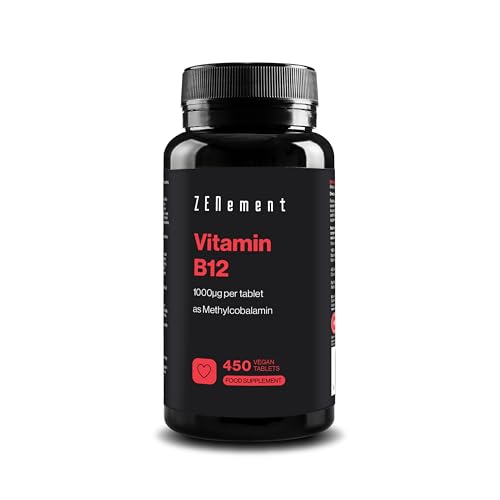

#45 · Solgar Solgar Methylcobalamin (Vitamin B12) 1000 µg Nuggets, Pack of
★4.6 (14,700)
Check price 
#46 · EVO NUTRITION EVO NUTRITION Vitamin B12 1000mcg Methylcobalamin, 400 Vegan Tablets
★4.5 (236)
Check price 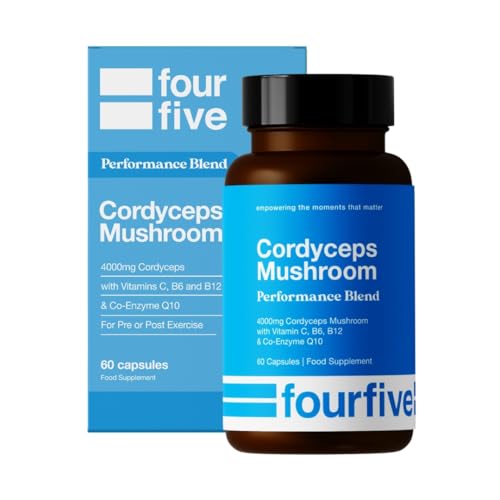
#47 · fourfive fourfive Cordyceps Mushroom Supplement (4000mg) Performance Blend with CoQ10
★4.4 (41)
Check price 


#50 · NEW LEAF PRODUCTS NEW LEAF PRODUCTS Myo-Inositol PCOS Supplement - Myo Inositol Capsules PCOS
★4.7 (483)
Check price 
#51 · NEW LEAF PRODUCTS NEW LEAF PRODUCTS Multivitamin Gummies for Adults - High Potency Vitamin
★4.5 (1,800)
Check price 
Strength and form, side by side
Two things separate these packs: how much B12 they carry and which form it is in. Strengths run from 50 mcg to 5,000 mcg, median 1,000 mcg. On form, 34 say methylcobalamin, 4 say cyanocobalamin and 5 do not say at all, which is the one worth noticing: the form is printed on packs that have nothing to hide.
Strengths, forms and tablet counts are read from the listing wording. We do not print a recommended intake here: that is a question for the label and for a pharmacist, not for a price table.
Who genuinely needs a B12 supplement
This is worth being specific about, because B12 is also sold hard to people who don't need it. The groups where it matters:
Vegans, without exception. B12 is made by bacteria and reaches us through animal foods, so a plant-only diet supplies effectively none. Fortified foods count, but relying on them without checking amounts is how people end up low. Vegetarians are at lower risk but still commonly low if dairy and eggs are occasional.
People over 65, because stomach acid production falls with age and acid is needed to release B12 from food. Anyone on long-term metformin for diabetes, which reduces absorption, and anyone on a long-term proton pump inhibitor such as omeprazole, for the same acid reason. People with coeliac disease, Crohn's, or after bowel or stomach surgery, where absorption is affected.
If none of those apply and you eat meat, fish or dairy regularly, a B12 supplement is unlikely to do anything for you.
Cyanocobalamin or methylcobalamin?
Cyanocobalamin is the synthetic form used in most fortified foods and in the overwhelming majority of research. It's stable, cheap and effective, and the body converts it to the active forms.
Methylcobalamin is one of the active forms and is sold at a premium on the argument that it skips a conversion step. For most people either raises B12 levels perfectly well, and the price gap isn't justified by the evidence. It's less stable in light and heat, which is a practical downside rarely mentioned.
Doses in supplements are typically far above the reference intake, often 1000mcg or more against a requirement measured in micrograms. That's deliberate rather than reckless: absorption of large oral doses is inefficient, so high doses are used to get enough across. B12 is water-soluble with no established upper limit, and excess is excreted.
Tablets, sublinguals and sprays
Standard tablets work for most people. Sublingual tablets and sprays are marketed on the basis of absorbing through the mouth lining and bypassing the gut, which is a reasonable argument for anyone whose problem is gut absorption.
For someone whose issue is simply dietary intake, the evidence that sublingual beats swallowing isn't strong, and standard tablets are far cheaper. Where sprays genuinely earn their place is convenience and for people who dislike tablets.
One important exception: if you've pernicious anaemia or another condition where the body can't absorb B12 from the gut at all, oral supplements may not be sufficient and injections are the standard treatment. That's a GP matter, not a shelf decision.
Symptoms, and why guessing is a bad idea
B12 deficiency can cause tiredness, breathlessness, pins and needles, a sore tongue, memory problems and mood changes. Those overlap with iron deficiency, thyroid problems and several other things, which is why self-diagnosis fails here.
There's a specific risk worth naming: taking folic acid can mask a B12 deficiency by correcting the anaemia while nerve damage continues underneath. That damage can become permanent. It's the main reason to get a blood test rather than supplement blindly if you've symptoms.
A B12 blood test is routine and free on the NHS. If you're tired and wondering, ask for one, and mention any supplements you take because high-dose biotin can distort some assays.
Common questions
Who needs a vitamin B12 supplement?
Vegans without exception, most vegetarians, people over 65, anyone on long-term metformin or a proton pump inhibitor, and people with coeliac disease, Crohn's or after bowel surgery. If none apply and you eat animal foods regularly, you probably don't need one.
Is methylcobalamin better than cyanocobalamin?
For most people, no meaningful difference. Cyanocobalamin is cheap, stable and the form used in fortified foods and most research. Methylcobalamin costs more and is less stable in light and heat.
Why are B12 doses so high?
Absorption of large oral doses is inefficient, so high doses are used to get enough across the gut wall. B12 is water-soluble with no established upper limit and the excess is excreted.
Are B12 sprays better than tablets?
They bypass the gut, which is a reasonable argument if absorption is your problem. If your issue is simply dietary intake, standard tablets work and cost far less.
Can folic acid hide a B12 deficiency?
Yes, and this is important. Folic acid can correct the anaemia while nerve damage continues underneath, and that damage can become permanent. It's the main reason to get a blood test rather than supplement blindly if you've symptoms.
What are the symptoms of B12 deficiency?
Tiredness, breathlessness, pins and needles, a sore tongue, memory problems and mood changes. These overlap with iron deficiency and thyroid problems, so a blood test is the only way to know. It's routine and free on the NHS.