
#1 · Nu U Nutrition Nu U Nutrition Organic Turmeric Curcumin and Black Pepper 600mg
★4.7 (7,600)
Check price Turmeric supplements have one technical problem that decides whether a product does anything at all, and most labels are designed so you don't notice it.
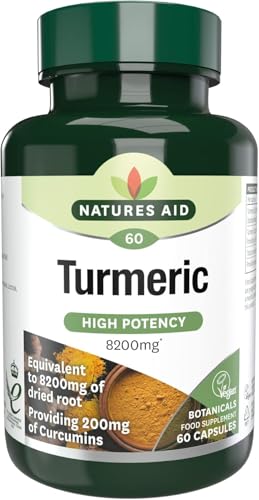
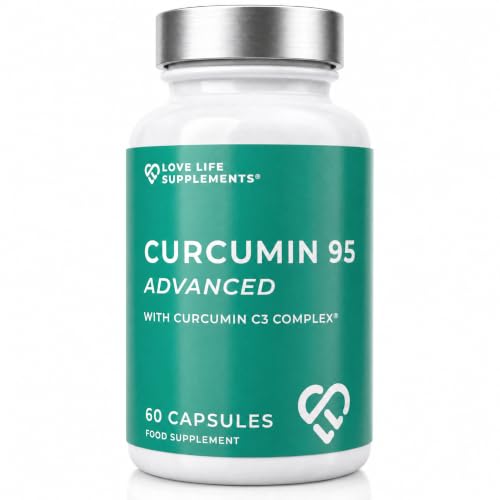
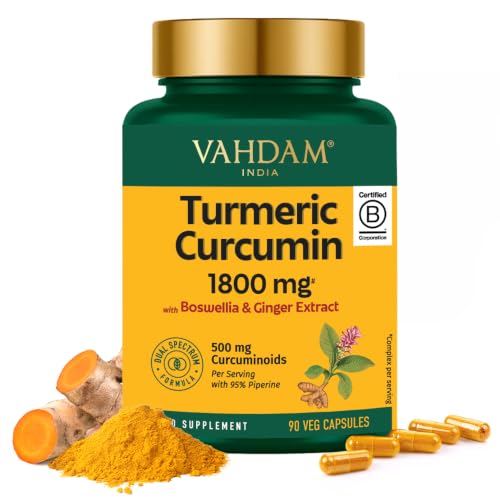
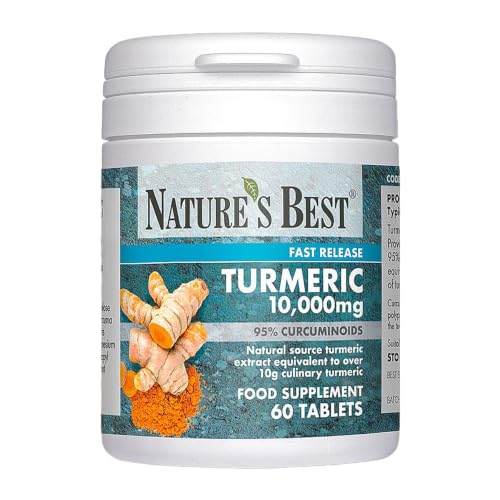
Curcumin is the active compound and it absorbs very poorly on its own. Turmeric root is only around 2 to 5% curcumin, so a "1000mg turmeric" capsule contains perhaps 30mg of it. Look for a standardised curcumin extract (usually 95%) plus an absorption aid such as black pepper extract (piperine), and treat headline figures like "25,000mg" as equivalents rather than contents.


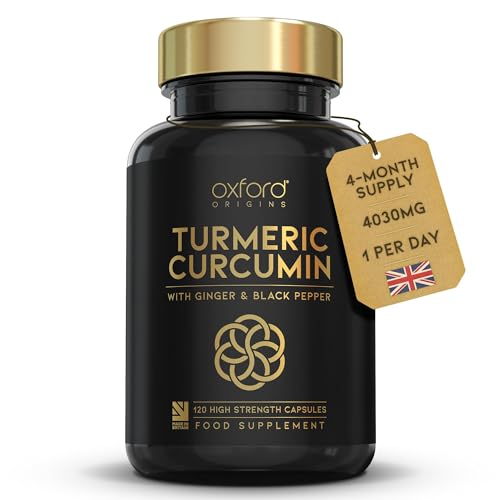


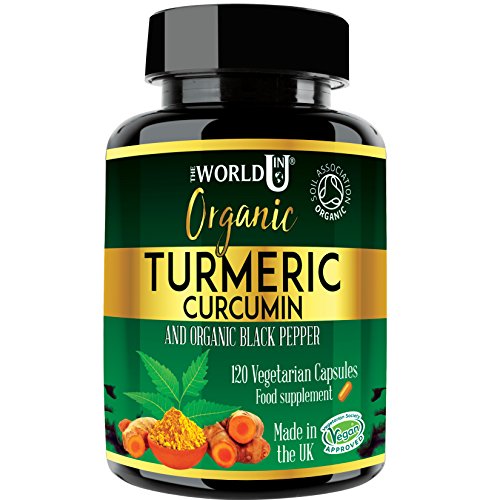
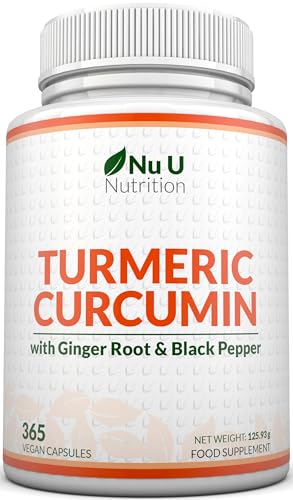


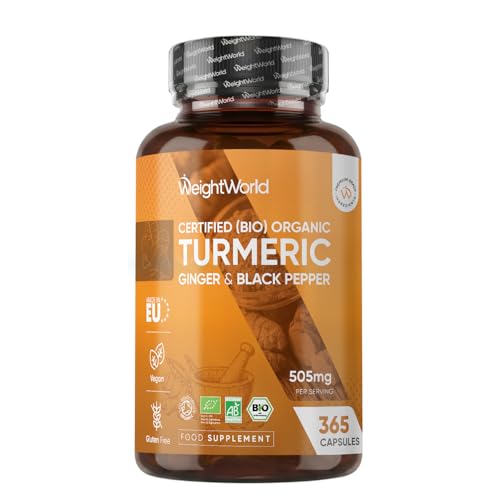







Curcumin is the compound the research is about, and it has a well-documented weakness: taken alone it's poorly absorbed, rapidly metabolised and quickly cleared. That's why a capsule of ground turmeric root, however large, delivers very little curcumin to your bloodstream.
Two things address it. Piperine, the active in black pepper extract, substantially increases curcumin absorption and is the cheapest and most common solution. Fat also helps, which is why taking it with a meal containing some is sensible, and why some products use a phospholipid or oil-based formulation.
A turmeric supplement without either an extract or an absorption aid is the one to skip. That single check eliminates most of the category.
This category has some of the most misleading front-of-pack numbers on the shelf. A product advertising 25,000mg isn't putting 25 grams in a capsule. It's stating an equivalent: the amount of raw turmeric root that would supply the extract inside.
What to find instead, in the ingredients or nutrition panel: the weight of curcuminoids or the standardised extract, usually described as "95% curcuminoids". That's the real number and it's typically a few hundred milligrams.
Trials showing effects on joint discomfort have generally used curcumin in the region of 500mg to 1500mg daily of standardised extract, often split across doses. Comparing that with what a product actually delivers is the quickest way to tell a serious formulation from a decorative one.
The most-studied area is joint discomfort, particularly knee osteoarthritis, where several trials of standardised curcumin have reported improvements comparable to common anti-inflammatories in some measures. The trials are often small and short, and the field has a publication-quality problem, so this is promising rather than settled.
Beyond that, curcumin is studied for a wide range of conditions and the evidence thins quickly. Under UK rules a supplement can't claim to treat, prevent or cure anything, so where you see strong disease claims, that's marketing.
Culinary turmeric in food is a different proposition again, and a good one: cheap, pleasant and part of a varied diet. It just isn't the same thing as a standardised extract.
This is a supplement with real interactions, so the cautions are worth stating. Blood thinners: curcumin can increase bleeding risk, so check with your GP if you take warfarin, a DOAC or regular aspirin, and stop before planned surgery. Gallstones or bile duct obstruction: turmeric stimulates bile production and can worsen symptoms.
Piperine also increases the absorption of many medicines, which is the same mechanism that makes it useful here. If you take regular prescription medication, that's worth a conversation with a pharmacist.
High doses can also cause stomach upset and, in some people, contribute to iron absorption problems. Taking it with food helps.
Piperine, the active in black pepper extract, substantially increases curcumin absorption. Curcumin on its own is poorly absorbed and rapidly cleared, so a product without piperine or another absorption aid delivers very little.
It's an equivalent, meaning the amount of raw turmeric root that would supply the extract inside, not the weight in the capsule. Look for the curcuminoid or standardised extract figure, which is typically a few hundred milligrams.
Trials on joint discomfort have generally used 500mg to 1500mg daily of standardised extract, often split across doses. Compare that with what a product actually delivers rather than the front-of-pack number.
The joint evidence is the strongest in this category, with several trials of standardised curcumin reporting improvements in knee osteoarthritis. The trials are often small and short, so treat it as promising rather than settled.
Check with your GP first. Curcumin can increase bleeding risk, which matters with warfarin, DOACs and regular aspirin, and you should stop before planned surgery.
It's a good thing to do and a different thing. Culinary turmeric is only around 2 to 5% curcumin and absorbs poorly, so it's not equivalent to a standardised extract with an absorption aid.