
Omega-3 & Fish Oil
Fish oil is the most commonly mis-compared supplement on the shelf, because the number on the front of the box isn't the number that matters. Get that one thing right and the category becomes simple.
Read our best Omega-3 Fish Oil UK shortlist →
Short answer
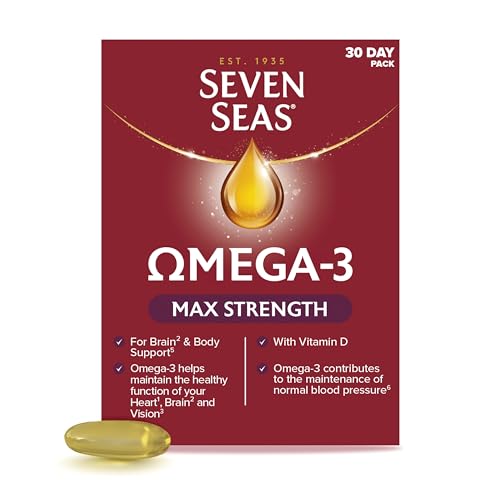
Ignore the 1000mg on the front: that's the weight of oil, not the omega-3. Compare on EPA and DHA in milligrams per capsule, printed on the back. A concentrated oil can deliver three or four times the omega-3 of a standard one from the same size capsule. For a plant-based option, algal oil supplies DHA and often EPA from the source fish get it from.
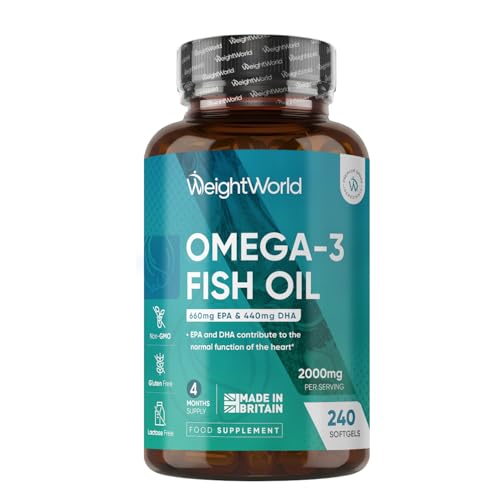

#3 · Natures Aid Natures Aid Omega-3 Fish Oil 1000mg – 120 Softgel Capsules
★4.6 (1,300)
Check price 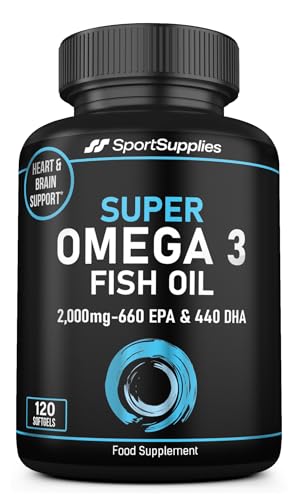
#4 · SS Sport Supplies SS Sport Supplies Omega 3 Fish Oil Capsules High Strength
★4.6 (702)
Check price 


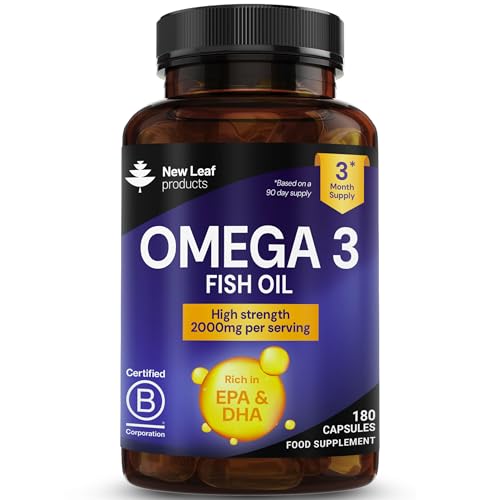
#9 · NEW LEAF PRODUCTS NEW LEAF PRODUCTS Omega 3 2000mg Capsules - High Dose Fish
★4.7 (611)
Check price 
#10 · MAV NUTRITION MAV NUTRITION Triple Strength Omega 3 Fish Oil 3600 mg
★4.5 (30,500)
Check price 
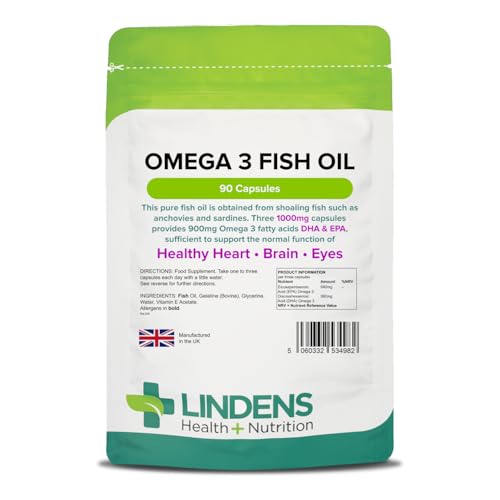


#15 · Vitabiotics Ultra Vitabiotics Ultra Omega-3 Fish Oils Capsules with DHA EPA Nutritional
★4.6 (3,700)
Check price 
#16 · NEW LEAF PRODUCTS NEW LEAF PRODUCTS Omega 3 Softgels 660mg EPA & 440mg DHA
★4.6 (144)
Check price 
#17 · Nutravita Nutravita Omega 3 Capsules High Strength 2000mg with 660mg
★4.7 (30,400)
Check price 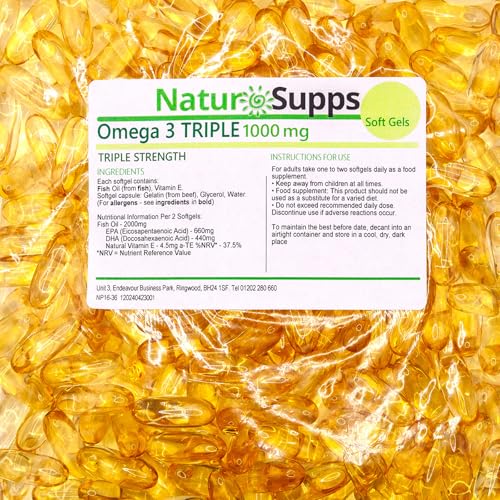

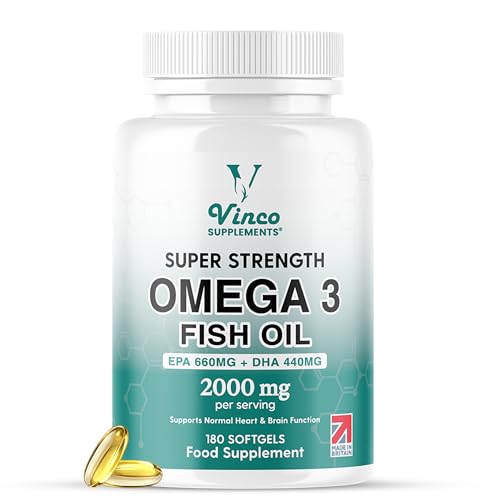
#20 · Vinco Supplements Vinco Supplements Vinco High Strength Omega 3 Fish Oil 2000mg
★4.7 (114)
Check price 
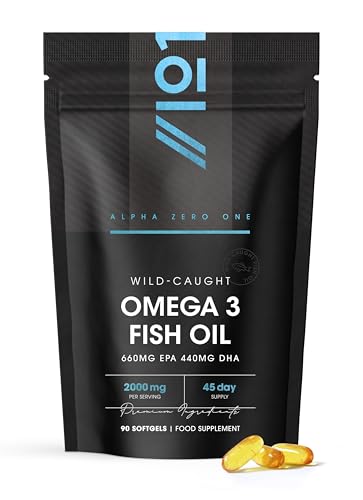
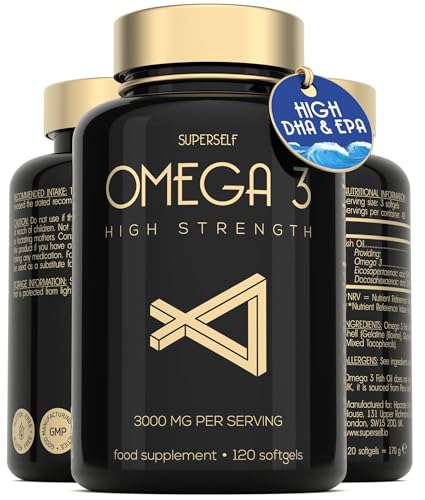
#23 · SuperSelf SuperSelf Fish Oil Omega-3 Capsules - Triple Potency 3000mg
★4.5 (2,900)
Check price 


#27 · Igennus Healthcare Nutrition Igennus Healthcare Nutrition Igennus Ultra Pure Omega-3 Wild Fish Oil &
★4.6 (4,600)
Check price 

#29 · Incite Nutrition Incite Nutrition Omega 3 Fish Oil Capsules 2000 mg. 360
★4.7 (4,400)
Check price 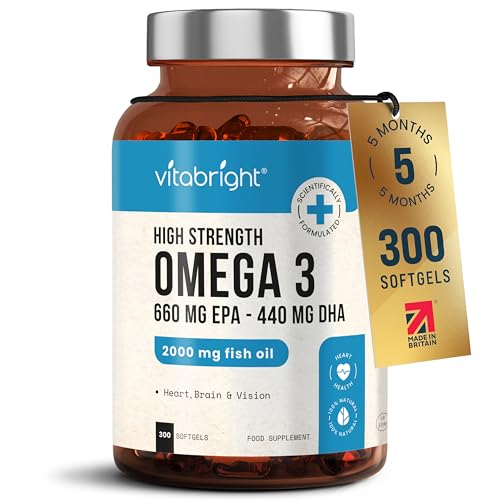


#32 · MAV NUTRITION MAV NUTRITION Triple Strength Omega 3 Fish Oil 1200 mg
★4.5 (29,700)
Check price 

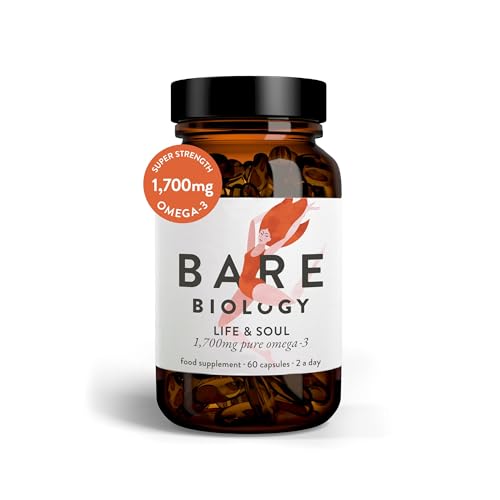
#36 · Bare Biology Bare Biology 1,700mg Omega-3 Super-Strength Fish Oil - Life &
★4.4 (379)
Check price 
#37 · Nutravita Nutravita Omega 3 Capsules High Strength 2000mg with 660mg
★4.7 (30,400)
Check price 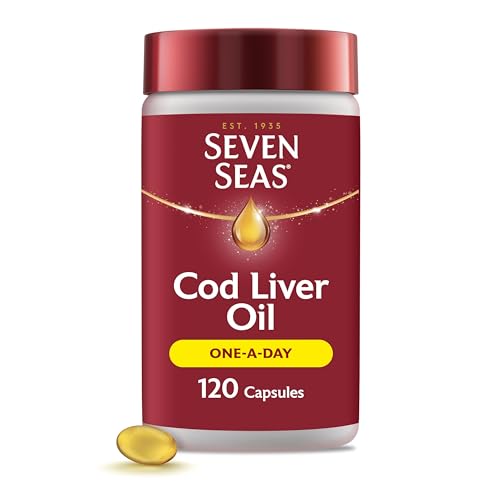


#43 · Simply Supplements Simply Supplements Pure Omega 3 1000mg | 180 Capsules
★4.9 (41)
Check price 

#46 · eyetamins eyetamins Vision Support Advanced Antioxidant Eye Supplement with Lutein
★4.5 (29)
Check price 
#47 · eyetamins eyetamins OmegaEye Advanced High-Strength Omega-3 with DHA & EPA
★4.7 (7)
Check price 
#48 · eyetamins eyetamins Vision Support 2 Pack Advanced Antioxidant Eye Supplement
★4.5 (29)
Check price 
#49 · eyetamins eyetamins Vision Support 3 Pack Advanced Antioxidant Eye Supplement
★4.5 (29)
Check price The only comparison that works
Two bottles both say 1000mg. One gives you 180mg of combined EPA and DHA, the other gives you 600mg. That's the whole category in a sentence, and it's why comparing on the front-of-pack figure leads people to buy three times more capsules than they need.
Turn the bottle over and find EPA and DHA per capsule. Add them together. Then work out the cost of your intended daily amount: pack price divided by capsules, multiplied by how many capsules you would take. Doing that once makes the price differences in this aisle suddenly make sense.
A standard, unconcentrated fish oil at 1000mg typically delivers around 180mg combined. Concentrated oils reach 500mg or more per capsule, which means one capsule instead of three and usually a lower cost per gram of omega-3 even at a higher shelf price.
How much do you actually need?
There's no separate UK recommended intake for omega-3 supplements. The dietary advice is two portions of fish a week, one of them oily, and a supplement is one way of covering that if you don't eat fish.
Research on heart and general health has typically used amounts in the region of 250mg to 500mg of combined EPA and DHA daily, which is a useful reference point rather than a rule. Doses far above that are sold, and while omega-3 is well tolerated, very high intakes can affect blood clotting.
If you take an anticoagulant such as warfarin or a DOAC, or you're due surgery, speak to your GP or pharmacist before taking a high-dose fish oil. That's a genuine interaction rather than a disclaimer.
Fish oil, cod liver oil and krill: what differs
Fish oil comes from the body of oily fish and is the neutral choice: omega-3 and little else, and the form that concentrates best.
Cod liver oil comes from the liver and carries vitamins A and D naturally. Useful if you want all three together, and the reason it's not suitable in pregnancy, because of the vitamin A. Our cod liver oil page covers it separately.
Krill oil delivers omega-3 in phospholipid form and is often claimed to absorb better. The evidence for a meaningful practical difference is limited, and krill costs considerably more per milligram of EPA and DHA. If cost per omega-3 is your metric, it rarely wins.
Algal oil is grown from marine algae and is the vegan option. It's the original source of DHA in the food chain, so it's not a compromise, though it usually costs more per milligram.
Freshness, and how to check it yourself
Omega-3 oxidises. Rancid fish oil isn't just unpleasant, it defeats the purpose, and it's more common in this category than anywhere else on the shelf.
You can check it without any equipment. Fresh oil is close to odourless. If capsules smell strongly fishy through the shell, or you get a persistent fishy repeat after taking them, the oil has likely oxidised. Some people get that from fresh oil too, which is why the smell test on the capsule itself is the better guide.
Practical steps: buy a pack size you'll finish within a few months rather than a year, keep it cool and dark rather than on a sunny windowsill, and check the best-before date on arrival. Some products add vitamin E as an antioxidant, which helps.
Common questions
How much omega-3 is in 1000mg fish oil?
It varies enormously. A standard unconcentrated oil delivers around 180mg of combined EPA and DHA per 1000mg capsule; a concentrated one can deliver 500mg or more. The 1000mg is the weight of oil, so always check the EPA and DHA figures on the back.
How much omega-3 should I take a day?
There's no separate UK recommendation for supplements. Dietary advice is two portions of fish a week, one oily. Research has typically used 250mg to 500mg of combined EPA and DHA daily, which is a reasonable reference point.
Is krill oil better than fish oil?
It delivers omega-3 in a different form and is often claimed to absorb better, but the evidence for a meaningful practical difference is limited and it costs considerably more per milligram of EPA and DHA.
What is the best vegan omega-3?
Algal oil, made from marine algae. It supplies DHA and often EPA directly from the original source in the food chain, so it's a genuine equivalent rather than a compromise, though it usually costs more per milligram.
Why do my fish oil capsules taste fishy?
Usually oxidation. Fresh oil is nearly odourless, so if capsules smell strongly through the shell the oil has probably gone off. Buy a pack you'll finish in a few months and store it cool and dark.
Can I take fish oil with blood thinners?
Ask your GP or pharmacist first. High intakes of omega-3 can affect blood clotting, which matters if you take warfarin or a DOAC, or if you've surgery coming up.