
#1 · Nutrition Geeks Nutrition Geeks Magnesium Glycinate 3-in-1 Complex - 1800mg Supplements as
★4.5 (35,907)
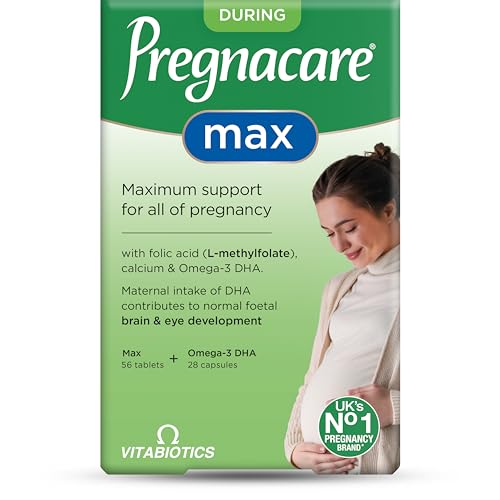
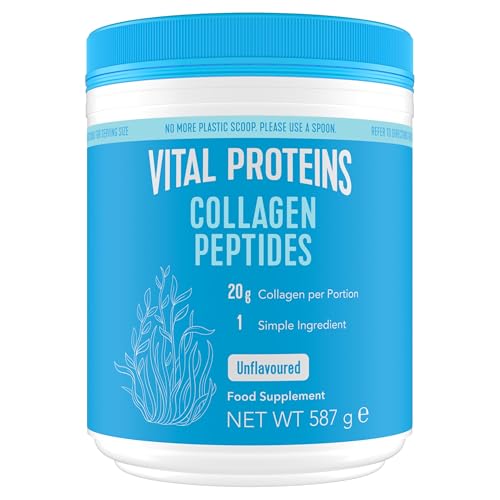
Check price Supplements are a monthly rebuy, so cost per serving and the actual dose matter more than a big number on the front. A cheaper pot with a low dose can work out dearer than a stronger one. We rank by genuine customer ratings, and for brands like Vitabiotics or Zipvit we add ratings from beyond Amazon. Supplements support a normal diet rather than replace it, so check with a pharmacist or GP before starting anything new, especially if you take medication.





















Most people eating a varied diet do not, though a multivitamin can help fill gaps for fussy eaters, older adults or during winter. In the UK, vitamin D is worth considering from autumn to spring. Ask a pharmacist if you are unsure what suits you.
Not necessarily. Check the dose and form rather than the price, since a cheaper pot can match a pricey one serving for serving. What matters is that it lists the actual amounts clearly. Ratings help, but they reflect experience, not lab-tested purity.
Often yes, but some interact with each other or with medicines, and high doses of certain vitamins can be harmful. For example, too much vitamin A or iron carries real risks. Check the labels, avoid doubling up on the same nutrient, and ask a pharmacist if you take several.